- Who We Serve
- What We Do
- About Us
- Insights & Research
- Who We Serve
- What We Do
- About Us
- Insights & Research



Wealth Management
A Personalized Plan for Wherever Life Takes You
Why Northern Trust
The Right Expertise, When You Need It
Years
We have advised generations of wealthy families, for generations. There is no wealth management challenge we have not seen and solved for time and time again.
Best Private Bank
Our longstanding commitment to service excellence is exemplified through consistent recognition by the Financial Times Group as the Best Private Bank 14 of the last 17 years.
Specialty Areas
Your dedicated team across banking, trust & estates, wealth planning and investing is also backed by a deep bench of experts across 40+ specialty areas.
The Northern Trust Institute
Proven Strategies for a Lifetime of Change


Services
Optimize Your Wealth Plan
Work with our advisors to build a custom plan that will help you achieve what matters most to you.




Worldwide Financial Solutions
Global Presence. Local Expertise.
Northern Trust offers tailored financial solutions in 20 U.S. states and 18 countries worldwide.

Insights
Stay informed





Our Experts
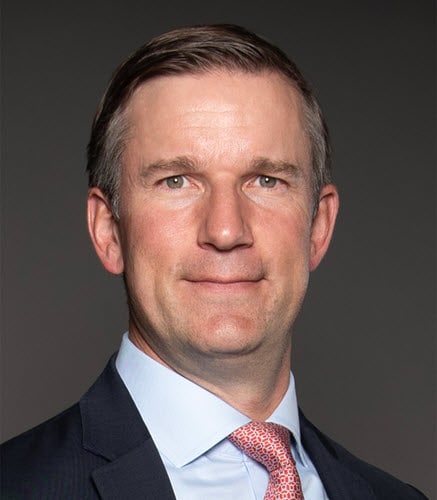
Eric Freedman
Chief Investment Officer, Wealth Management
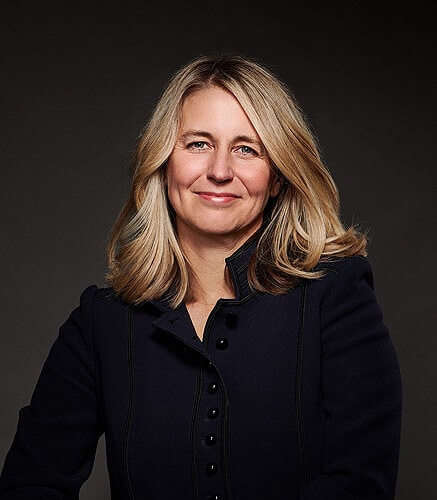
Pam Lucina
Head of Family Office Solutions, Global Family Office
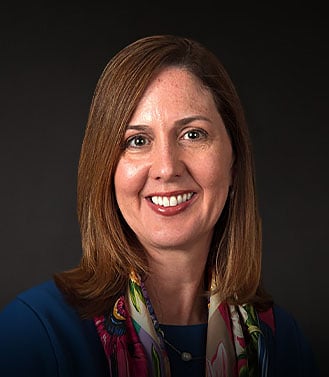
Laura Mandel
Chief Fiduciary Officer
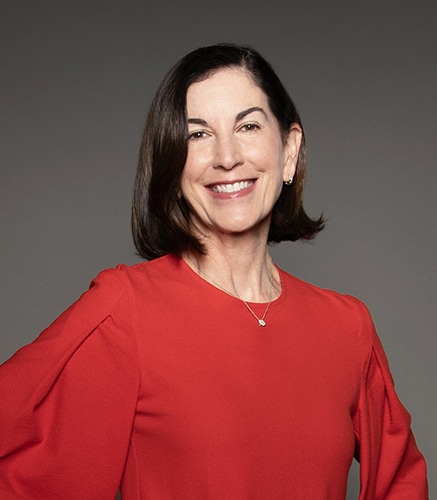
Glenda Pedroso
Head of Banking & Specialized Services
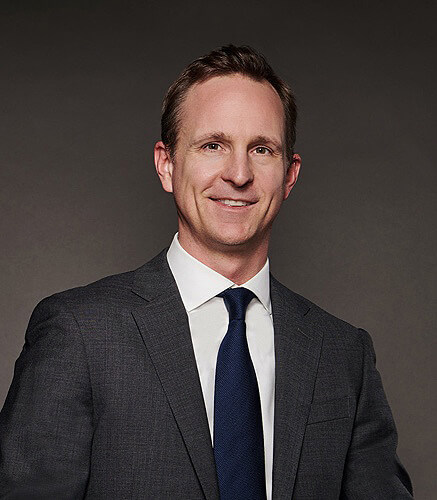
Eric Czepyha
Director of Business Services
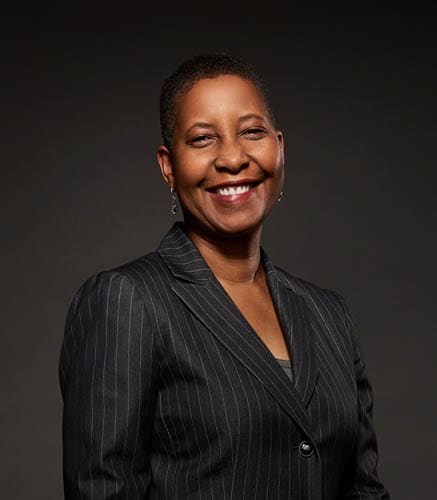
Marguerite Griffin
Director of Philanthropic Advisory Services



Contact Us
Achieve What Matters Most
Work with our advisors to build a custom plan that will help you navigate change with confidence.
© 2026 Northern Trust Corporation. Head Office: 50 South La Salle Street, Chicago, IL 60603. Incorporated with limited liability in the U.S. Member FDIC.