Home
Home SUMMER 2005
departments features

INFORMATION EXCHANGE

Talking About Retirement

Despite their affluence, the majority of millionaires don't feel confident in their retirement preparations, regardless of their age or level of wealth.* In fact, 70% are worried that they will outlive their savings, and nearly 90% are worried that a stock market decline would affect their ability to enjoy retirement. In response, Wealth spoke with Thomas W. Hines, managing director of Northern Trust's Financial Consulting Group.

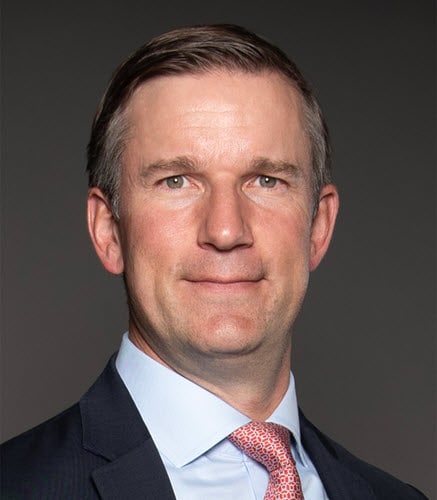
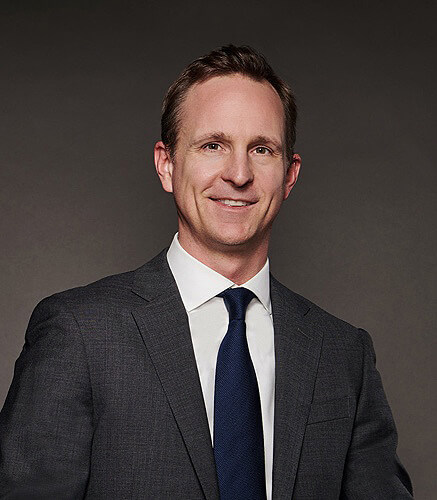
Thomas W. Hines is a Senior Vice President at The Northern Trust Company, Chicago. Hines received a B.S. degree in Accounting from Marquette University and his M.S. degree in Taxation from the University of Wisconsin–Milwaukee. He is also a Chartered Financial Analyst.

Wealth: I already have retirement and estate plans in place, but I'm concerned about the effects a stock market decline, inflation and the rising cost of healthcare would have on my retirement funds and my other long-term goals. What can I do to prepare for these possibilities?

Hines: One of the challenges people face today is the uncertainty of the equity markets and the effect the markets will have on their lifestyle in retirement. In fact, in a recent survey, nearly 90% of our clients who responded indicated that this was a concern for them. These challenges can be managed by having a financial planner prepare cash flow projections to calculate the probability of successfully achieving a retirement goal.

Recently we worked with a client approaching retirement who shared these same concerns. He came to us to make sure his family's retirement lifestyle would be very secure and comfortable, and to have us implement an investment strategy to help him achieve his long-term goals. In addition, the client was charitably inclined and also wanted to transfer wealth to his family while they were young (and their need for financial assistance was greater). We developed financial projections to illustrate what his family's retirement lifestyle would be, based on his investment strategy. We also ran an analysis to incorporate the client's desired charitable donations and gifts to his family. As a result, we established a family foundation, charitable remainder trust and an intentionally defective grantor trust that allowed him to enjoy a comfortable retirement while also achieving his charitable goals and desire to help his family.

Wealth: I've been planning my retirement for years. In addition to my
401(k) plan, I anticipate using the proceeds from the sale of a portion of my stock portfolio. Which investments should I tap first?

Hines: Frequently, the single biggest lifetime expense is federal and state income taxes. When you take retirement distributions or liquidate assets to support your retirement lifestyle, you should first liquidate the most tax efficient asset. For example, let's say you have two retirement assets: an equity portfolio with assets of $1 million that has appreciated 10% (long-term gain) and a
401(k) plan with assets of $1 million. If the investment performance is relatively equal on both, you should liquidate the equity portfolio first because it will be taxed at long-term capital gains rates as opposed to the ordinary income tax rates that would be incurred on the 401(k) plan.

Wealth: When I retire I will receive a generous pension from my company. It should be more than enough to provide for my family's needs after I retire, but I want to make sure I've covered all my bases. Are there specific issues I need to investigate or scenarios I should be concerned about?

Hines: Even with a generous company pension, it is important to review your financial situation in retirement with an advisor. Often, company-sponsored pensions carry hidden risks. For example, I recently met with a client whose annual pension provided sufficient current income to take care of her family's financial needs. However, most of the pension was not insured nor funded adequately by the company. As a result, the pension would be reduced by half if the client died prematurely. Therefore, a good portion of her retirement income was at risk.

Our analysis helped us illustrate to the client the level of assets necessary for her to enjoy a comfortable retirement if her company faced a financial meltdown. First, we worked with the client's insurance agent to provide a cushion in the event of her early death. Then, we worked on diversifying her assets into a balanced portfolio that would provide her family the security they would need during her retirement or after her death. By showing the client a worst case scenario, we helped her make an informed decision about diversifying her portfolio, which prior to our discussion had been fairly concentrated in her company stock.

Wealth: With everything that seems to be affecting the markets and the economy these days, how often should I visit with my portfolio advisor and review the asset allocations of my retirement portfolio?

Hines: At least once a year. The key here is that you should have a process in place where the annual meetings are scheduled by the advisor regardless of the equity market conditions. Some people get worried when they hear things on the news and immediately call their financial planners. Usually short-term blips will not affect long-term portfolio allocations, but as the market recovers people may want to devote a greater portion to equities, etc. Changes like that may be prudent, and a disciplined review process will help see that they happen.

Wealth: I'm planning to retire in 10 years, but I sustained heavy losses during the bear market from 2000 to 2002. How can I recover from that?

Hines: There are two patterns of behavior that we see when clients realize significant losses in their portfolios. Some people tend to be shocked like a deer in headlights and are hesitant to make any decisions regarding their portfolio due to the magnitude of the loss they just experienced. Others try to hit investment home runs after they have incurred significant losses. Both of these behavior patterns can be very dangerous.

Regardless of how close you are to retirement, it's important to maintain an asset allocation that reflects your goals, your risk tolerance and your timeframe. If you try to recoup your losses by chasing the trend of the day, you risk losing even more. You would be better off working with an advisor who can help you reallocate your investments based on these parameters and create a solid plan for your retirement.

*Statistics derived from a Northern Trust Company retirement survey conducted among a national sample of 1,312 clients and non-clients in October 2004.

Decisions Only You Can Make

Your family business can be your legacy if you address succession planning issues early.

Searching For Yield

A new approach to fixed-income investing.

Headline News

With careful planning the events covered on the news need not derail your investment strategy.

The Drive to Make a Difference

For many, active involvement in a cause
is its own reward.

departments

MARKET OUTLOOK

Slowing growth and continued business strength leave investors uncertain.

INSPIRED LIVING

Despite the high cost of entry, high-end yachts have never been more popular.

NEWS & NOTES

The latest updates from Northern Trust.

learn more

Our Retirement Services

Retirement planning is more than asset management. It's developing a plan for financial freedom.

the magazine
get in touch

Contact a Relationship Manager

Whether you are an individual or an institution, Northern Trust is committed to providing you with the personal service you deserve.

© 2005 Northern Trust Corporation     www.northerntrust.com

This webzine is provided for informational purposes only and does not constitute an offer or solicitation to purchase or sell any security or commodity. Any opinions expressed herein are subject to change at any time without notice.
© 2005