Wealth in America
Wary about stock market returns and the economy and concerned about healthcare costs during retirement, high-net-worth investors are focusing on preserving wealth and pursuing their passions.
For wealthy investors uninspired by last year’s
performance on Wall Street, preserving wealth is taking precedence over trying to increase it in uncertain economic times, according to Northern Trust’s landmark Wealth in America study.
Concerned, But Not Retreating
With growing uncertainty about the market in the United States and abroad, fears about inflation, and lackluster stock market returns, millionaire investors are not retreating into fixed income or dropping out of the market. Rather, most are adopting an investment approach that balances the safety of cash with more aggressive strategies that typically boost returns.
The investors polled generally considered themselves conservative investors, and many had higher allocations to cash than average. Nevertheless, seven out of 10 high-net-worth households reported having some exposure to alternative asset classes, including hedge funds, private equity and real estate, to diversify their portfolios and generate higher returns.
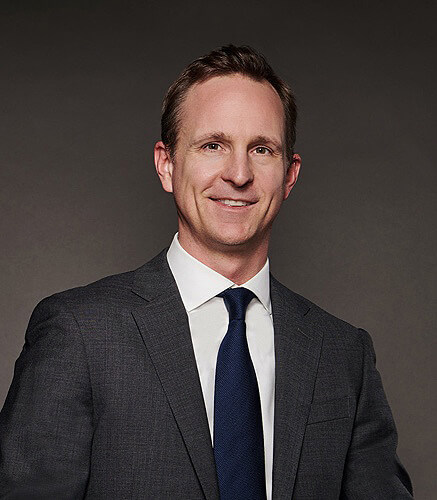
“While interest in cash-based investments is running high,” says John D. Skjervem, Chief Investment Officer of Northern Trust’s Personal Financial Services division, “we do see indications that affluent investors are feeling bolder and looking for opportunities to venture into alternative asset classes in hopes of earning greater returns on their money.” Most affluent investors in the survey indicated that saving for retirement was their primary financial planning goal, which makes this approach appropriate. Skjervem calls the combination of large cash holdings and more aggressive strategies
a “barbell approach to risk and return” that can be ideal for investors who don’t rely on investments
for income.
Retirement Has New Meaning
While it is hardly surprising that most affluent investors said retirement funding was their primary financial planning goal, their attitudes toward retirement are clearly different from those of their parents’ generation. Perhaps most interesting, nearly half of all pre-retiree affluent investors anticipate working either full- or part-time during retirement.
Beyond ensuring a comfortable standard of living during retirement, today’s millionaires want to be able to enjoy social activities, spend time with their children or grandchildren, pursue personal interests and hobbies, and maintain an active social life.
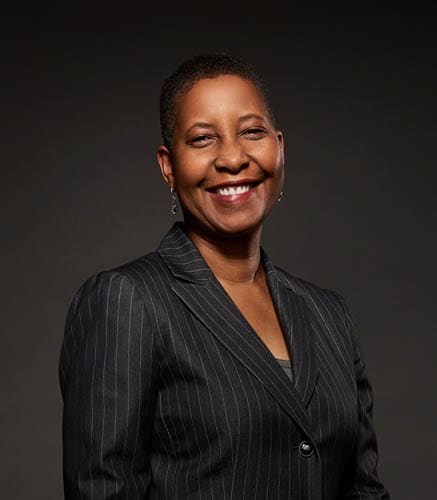
“We’re beginning to appreciate that baby boomers aren’t traditional retirees; they plan to be active, whether that means working, volunteering or continuing to run a business,” observes Tom Hines, Manager of Northern Trust’s Financial Consulting Group.
As a result, their retirement planning is tied more to personal goals than to financial ones. “For many affluent investors, finances and investing are a means to achieve their personal goals in retirement, rather than the primary goal,” says Bill Whitt, Director of Personal Financial Services Strategic Planning and Market Research at Northern Trust.
This goal-based focus means retirement plans for these families can no longer follow the old formulas for how much to save. Today’s plans need to focus much more on flexibility and providing cash flow to help them pursue their interests.
Soaring Healthcare Costs Seen as Threat
Although their retirement planning is focused on achieving personal, rather than financial goals, nearly all high-net-worth households see rising healthcare costs as a potential threat. Nine out of 10 affluent families are concerned that spiraling healthcare costs may affect their ability to enjoy
retirement. And nearly as many reported that concerns about health — their own or their spouse’s — may affect their retirement.
“This research shows how critical the issue of healthcare costs is to everyone, regardless of income,” says Hines. With life expectancies continuing to increase, it’s important to begin thinking about the added costs of long-term care as early as possible, he says. “Without addressing these
possibilities, healthcare costs can rapidly deplete your hard-earned wealth and possibly jeopardize your estate plan.” (See Health and Wealth.)
More Knowledge, and More Complexity
Another aspect of the changing retirement landscape is that investors are taking greater personal responsibility for their retirement funding, and that income is now coming from multiple sources.
Wealthy individuals are expecting to receive less help from Social Security and Medicare. As a result, most are relying on personal retirement accounts, such as individual retirement accounts (IRAs) and 401(k)s as primary sources of retirement income. And with many baby boomers planning to continue working well into retirement, these retirees will have multiple sources of retirement income.
“The complexity of retirement today makes it important for high-net-worth individuals to work with their advisors well before retirement to see how best to structure their finances to minimize taxes and maximize cash flow,” Whitt says.
Measuring Success
Financial and personal goals clearly are tied for most wealthy investors: The primary purpose of their wealth is to help them achieve their personal and family goals. The majority of high-net-worth families said they defined their own sense of accomplishment by having rewarding personal relationships, raising successful children and achieving a positive work/life balance.
To a lesser extent, these investors defined success in financial or professional terms, Whitt says. But that’s not to say families aren’t concerned about their finances. They are. More than three-quarters said success had a strong financial component. And that was especially true of men and of younger investors.
Most wealthy individuals also believe success is largely within their own control. They attributed their success to personal characteristics such as hard work and personal ambition. They also highlighted talent and education, while dismissing factors such as luck, religious faith and social connections.
The New View: Wealth in Context
Overall, wealthy investors seem to consider their wealth in the context of their overall enjoyment of life and family. Their focus on saving for a comfortable retirement, their views on success, and their investing focus on preserving wealth while still pursuing some aggressive investment strategies to help them meet their financial goals all reflect their views that wealth is a means to an end — an enjoyable life for themselves and their families.
the millionaire snapshot |
|
In mid-year 2005, some 4.8 million households had $1 million or more in investable assets. Northern Trust’s landmark Wealth in America study presents a picture of the attitudes of these wealthy investors about investing, retirement, philanthropy and success — attitudes that are changing the investing and retirement landscape in the United States. You can learn more about our Wealth in America study here.
| • |
Average age: 55 |
| • |
Average investable assets: $3.375 million |
| • |
Average net worth: $4.646 million
|
| • |
Average total assets: $5.584 million |
| • |
Employed full-time: 45% |
| • |
Retired: 34% |
| • |
Own business: 24% |
| • |
Own professional practice: 13% |
|
|
[top] |