SPRING 2006
features see also

Rules That Govern Giving

Perhaps you have thought of someday donating your collection to a museum. Good idea. But first, make sure a museum wants it — and can handle it.


Alexander Calder, 1956
Photography by © Christie's Images/CORBIS

At some point or another, every collector must face the question of where a collection will reside once he or she has gone. For some, the answer is simple: Give it to the children. For others, the answer may be to give it to a museum.

But donating your collection to a museum may mean more than simply making a notation in your will. Making a donation — particularly when it comes to larger collections or rare or more expensive pieces — can take considerable forethought and planning. Several parties can be involved, such as museum staff, appraisers, financial advisors and estate planners, and a range of benefits and potential pitfalls should be considered. Done properly, however, donating art or collectibles to a museum can benefit not only the institution, but also your family’s financial status and future generations of art lovers or museum patrons.

Strike Up the Right Partnership
The most important questions you should consider before donating to a museum revolve around whether the museum is ready for your donation. As a general rule, museums will accept donations only if the items offered will enhance an existing collection or can be integrated into a strategic plan to expand a collecting focus down the road. That may mean finding out before you plan on donating whether the museum in question already has similar or duplicate items. For larger, metropolitan museums, whole genres or periods in your specialty may already be well-represented. While the value of your collection may be considerable, it also may not find a home there.

For smaller or mid-size museums, however, the issue may be one of resources. In some cases, the arrival of a large or exceedingly rare collection may overwhelm a smaller museum’s ability to care for, display and maintain it.

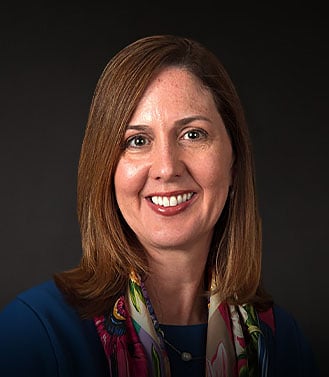
“Issues [such as available space and resources] are something we always think about very carefully because everything you accept comes with a cost — storage and maintenance and care and stewardship,” says Scott Shields, chief curator of the Crocker Museum of Art in Sacramento, Calif. “When people come to us and say, ‘I’d like my collection to come to you,’ we need to plan for that in terms of space and resources.”

In most cases, partnering with a museum early on is crucial. Ultimately, you must strike an agreement (usually formally, but sometimes informally) that spells out the terms by which you will offer, and a museum will accept, a gift. In the end, both parties are likely to be more comfortable with that agreement if they’ve spent considerable time working out any issues that may arise.

Look to the Future
Even though they may have similar goals, in the end, donors and museums can have different means of achieving them. For collectors, donating their collections may involve placing a host of restrictions on their gifts — a possibility many museums would like to avoid. Collectors may, for example, want to restrict the possibility of the museum selling a piece or require that a large collection remain intact. Museums, for their part, must ensure that future generations aren’t bound by collectors or strategic decisions made today.

“Some donors may say ‘I don’t want you to ever [dispose of] this,’ which may not be a hard thing to do when they are giving the museum a great Picasso,” Shields says. “It may be a hard thing to say when it is something else. Right now, we may think it’s pretty terrific, but how do we know what the future’s going to hold? Future generations may decide this isn’t even an area that the museum should collect in.”

Bring in an Outside Advisor
Like almost any other important life decision, bringing in a trusted advisor can go a long way towards making sure you achieve your goals and your art and collectibles find the proper home.

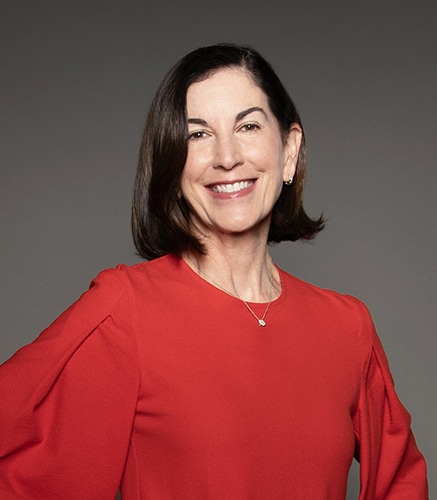
“Much of the decision-making process surrounding donations of art of collectibles is not driven simply by financial or tax considerations,” says Grace Allison, Tax Counsel at Northern Trust. “It’s driven by emotional or psychological considerations.

“Working with a financial advisor can be a great help, especially when an agreement with a museum is created,” says Allison. An advisor can help you work through the range of emotional and practical issues associated with finding a home for your collection.


Key Points to Consider

Remember the appraisal! The income tax rules governing charitable deductions require a “qualified appraisal” for lifetime gifts of art in excess of $5,000. Appraisal fees are themselves deductible — but only as itemized deductions subject to a 2% of adjusted gross income floor.

Beware the “related purpose” test. Restrictions governing donating collectibles — known as the “related purpose” test — stipulate the most favorable contribution benefit only if you donate the work to a tax-exempt organization whose purpose is related to that particular piece.

Make gifts of partial interests. Some donors may want to retain their collections for part of the year but give a museum all rights of possession for the balance of the year.

Art audit anyone? If a tax return is selected for audit, and if a deduction for $20,000 or more is claimed on the return, the case will be referred to Art Appraisal Services, a special IRS division that reviews substantial claimed deductions of art and collectibles.


A Family Approach to Collecting

If your vision involves passing your collection to your family, deciding early on how to do this is crucial. Creating the right plan can make the difference between creating a burden and realizing your dreams.

Art or Asset?

Even if you buy art because you love it and give no thought to its value, your collection can quickly become a significant asset. But determining how your collection fits into your overall financial portfolio isn't necessarily an easy task.

From Dabbling to Distinction

While it may be tempting to go it alone, when it comes to art and collectibles, assembling a trusted and expert support team can go a long way toward helping you build a world-class collection.

departments

Market Outlook

The Boiled Frog and the Fed? U.S. Economic and Interest Rate Outlook

Information Exchange

Four well-known and widely respected art dealers talk about current trends and what's hot in their respective fields.

Inspired Living

A visit with Stephen Steckbeck and John Price — two master collectors who reflect on their passion and share their insights with Wealth.

News & Notes

The latest updates from Northern Trust.

learn more

Our Philanthropic Services

Whether you are actively involved with philanthropy or want to begin a charitable tradition in your family, Northern Trust can fulfill your needs.

the magazine
get in touch

Contact a Relationship Manager

Whether you are an individual or an institution, Northern Trust is committed to providing you with the personal service you deserve.

feedback?

What do you think about the articles in Wealth? Send us your comments.