Information Exchange
Succession Success
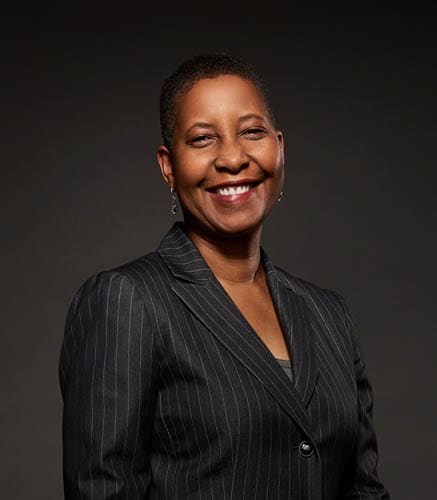
Mary Boehler, managing director of Northern Trust’s
Family Business Division, shares her insights into what makes
a successful succession plan for family business owners.
Why is it so difficult to ensure that a family business successfully passes on to subsequent generations?
Family businesses are, at times, too much of a closed system. Owners may feel they don’t need independent board members because they can rely on family members to manage different aspects of the business. When starting a business, that may be effective. But over time it can hinder management’s ability to recognize shifts in the market or shifts in competition. We encourage family business owners to professionalize their governance by including independent directors on their board. It’s also important to create employment standards: Identify the qualifications you want employees — including family members — to have to work in the business, and the requirements for each position in the company.
The greatest risk we see is when the business owner isn’t able to react to the changing marketplace or the growth of the business. That’s usually because the second or third generation hasn’t been educated or mentored in the appropriate skills or doesn’t bring the appropriate level of professionalism.
How should family business owners approach succession planning?
First, it helps to have a team approach when you address succession-planning issues. It’s helpful to sit down with your accountant, attorney or key advisors as you are developing your plan and look at the whole picture.
Ask yourself: How will the ongoing management of the business be structured, and who will be the key players? Who will own the business, and how will that ownership be structured?
As you plan for the future, it’s important to consider how you’re integrating ownership and management so potential managers — the future leaders of the business — have the appropriate authority to really develop the business and help it grow. You truly need to involve people from the business and family members in the planning process.
If you don’t integrate your estate plan with business management and succession planning, you could inadvertently undermine the ability of the managers to operate and possibly create a conflict with the ownership of the business in the estate plan.
What else can family business owners do to implement a succession plan smoothly?
Allow sufficient lead-time to ensure a smooth succession. Many succession-planning strategies take time to implement, particularly if you want to minimize the tax burden associated with transferring ownership of the business.
For example, you may decide to gradually transfer ownership to your children, using an installment sale over a number of years. Many business owners use grantor retained annuity trusts (GRATs) to transfer company stock to other family members or heirs. GRATs require careful implementation, which takes time.
It’s also important to prepare your heirs to take over management of the business, as well as ownership. Developing and implementing comprehensive mentoring and education plans can’t be done in a matter of months. It’s helpful to allow at least a couple of years to properly train your successors in the business.
Then finally — and I can’t stress this too much — share the details of your succession plan with your family and key leaders in the business. You don’t want to deal with surprises while you are implementing your plan.
How can board members help with succession planning?
If you are struggling with succession planning because your children have different skill levels or interests, you may want to consider involving your board of directors. By making the choice of successor a business-level decision and asking the board or committee of the board to do an assessment, the process becomes more objective. And it can remove the onus from you of having to choose one child over the others.
How are trusts used in family business succession planning?
Business owners frequently use trusts
to transfer company ownership to the
next generation — either by gift or, in some cases, in the sale of the business. Some families who expect the company to be handed down from generation to generation will create a trust to allow a trustee to steward the company through the generations.
Using a corporate trustee with a family member as a co-trustee can ensure professional shareholder continuity. This provides you with an independent, objective and professional resource.
How is the pending retirement of a generation of business owners going to affect succession planning?
The first baby boomers turn 62 this year. In the coming 10 or 15 years, we will see an enormous transfer of wealth to the next generation. For business owners, this will happen in one of two ways: Business owners whose children have pursued other professions and are not interested in taking over the family business will be selling their businesses, and those whose children or grandchildren plan to take over the business will begin to transfer control.
For the first group, it’s very important to take the time — six months to a year in advance — to think about the estate planning implications of the sale and subsequent wealth transfer.
Those individuals who are transferring business ownership to the next generation must be aware of the time needed to create a succession plan that is integrated with their estate plan as well as to ensure their designated successor receives the proper training and guidance.
I can’t stress enough the need for communication and for thoughtful planning — whether you are planning to sell the business to an outside buyer or transfer ownership to the next generation through a sale, in a trust or as a gift.
Planning and communication are important not only in preserving wealth for the next generation and ensuring the optimal income stream for the current generation, but also in maintaining strong family relationships. Surprises in estate and succession planning rarely go over well. It’s good to keep everybody informed.
[top] |