Hard-working people often point to their long hours and late nights with pride. They tell themselves they’re so busy achieving and experiencing that they simply don’t have time to sleep. Or that by staying awake, their lives are fuller, richer and functionally longer than those who get eight hours of shut-eye.
But sleep isn’t a guilty pleasure. It’s an essential health consideration on par with diet and exercise. By sleeping better, you can become more effective, more perceptive and more energetic, not to mention less likely to suffer a heart attack or get diabetes.
“People always tell me, ‘Look what I can do on five hours’ sleep,” says Steven Lockley, assistant professor of medicine at Harvard Medical School and an associate neuroscientist at Brigham and Women’s Hospital in Boston. “I tell them, ‘Imagine what you could do with eight hours of sleep.’ Working long doesn’t mean working well.”
How Sleep Helps
In fact, it’s the later stages of sleep that make you a better worker. Lockley says a typical, healthy eight-hour slumber is divided fairly evenly between two types of sleep that perform different functions. The first half of the night is mostly devoted to restorative “slow wave” sleep that renews your alertness and performance. The second half of the night is usually marked by “rapid eye movement” (REM) sleep that is related to memory function and learning capacity.
So on a day-to-day basis, sleep helps keep you sharp, while a sleep deficit can make you impatient, inattentive, grumpy and forgetful. The potential long-term negative effects of too little sleep are even worse. Lockley says not getting enough sleep has been associated with an increased risk of stroke, hypertension and diabetes because repeatedly asking your body to work overtime takes a gradual metabolic toll.
To get better sleep, you’ll need more than an earlier bedtime. Quality sleep requires day-to-day consistency and a conducive sleeping environment that minimizes external distractions like noise and sunlight. You also need to account for other circumstances such as snoring or drinking alcohol before bed, which can keep you from sleeping through the night.
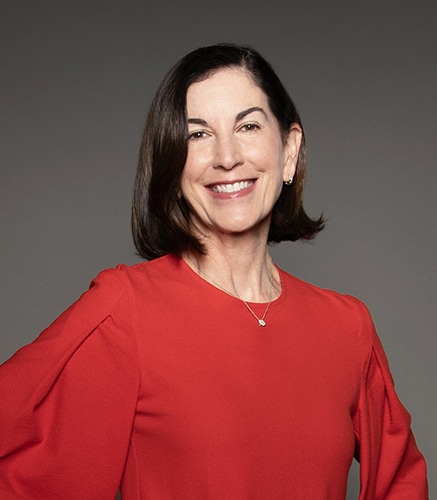
Nancy Rothstein is the host of the “I Slept Great” radio show, which educates the public about many aspects of sleep and sleep wellness. She is also the author of the children’s book My Daddy Snores and the creator of the Web site, mydaddysnores.com. Additionally, she is a member of the Board of the American Sleep Apnea Association and is the Executive Producer of America’s Not-So- Silent Secret, a documentary about snoring and sleep apnea.
Acknowledge Sleep Is Important
When you’re tired, your body is sending you a message.
“Trying to mask our sleep debt by using caffeine may seem effective but it does not benefit you,” says Nancy Rothstein, host of the Internet radio show “I Slept Great” and author of the children’s book, My Daddy Snores. “Sleep has to be really honored in a way that most people haven’t done before.”
Caffeine also can perpetuate a dangerous cycle. Even a cup of coffee at 10 in the morning can affect your sleep that night, causing you to rely on caffeine even more the next day.
Take Light and Dark Seriously
Your circadian system (your body clock) responds to the stimulus of light and rests after dark. That system thrives on contrast, Lockley says, so make sure to expose yourself to sunlight during the day. If you do, you’ll sleep better at night.
The need for contrast is bad news for people whose jobs force them to work overnight. Doctors who work 24-hour hospital shifts are exhausted both from sleep deprivation and from tinkering with their circadian rhythms. Lockley says doctors coming off of 24-hour shifts are at least two times more likely to have a motor vehicle crash than when driving home after non-24-hour shifts. And the World Health Organization categorizes working the third shift as a probable carcinogen, meaning it increases the risk of getting cancer.
To pacify the circadian system, Lockley recommends that people who work at night make their daytime sleeping environment as dark and quiet as possible.
Good Sleep Requires Consistency
Consistency means going to sleep at the same time each night, and, even more importantly, getting up at the same time each morning. Our bodies’ circadian systems prefer activity during daylight and rest at night. Although they can adjust, the adjustments take time, and if your schedule is too inconsistent, your body will struggle to give you the correct amounts of REM and slow-wave sleep.
A Good Mattress Doesn’t Hurt Either
The right type of sleeping environment and a quality mattress will help you sleep better. While it’s possible to spend thousands of dollars on a mattress, a good one doesn’t have to be costly. As Rothstein says, “You and I both know you don’t need a bed like that.” Once you’ve found a mattress you’re comfortable on and can sleep soundly, you’re set.
In addition, keep the room at a cool, comfortable temperature and strive for quiet. If you sleep with someone whose snoring is a problem, consider a white noise machine. And if the room isn’t dark enough, use blackout curtains over your windows.
Remember, Sleep Disorders Are Serious
People who are overweight or who snore are at high risk for sleep apnea, a condition where people wake up as often as 100 times an hour. People who suffer from insomnia, restless leg syndrome or other sleep disorders aren’t getting the sleep they need, regardless of how many hours they spend in bed. If you think you’re sleeping enough but feel exhausted, visit a sleep specialist to see if you’re suffering from a sleep disorder.
Sure, you can cheat sleep. But as a timesaving strategy, it’s not much different from eating fast food instead of cooking, or skipping your workout. Eventually, it will catch up with you.
So let others burn the midnight oil while you get a good night’s rest.
The Do’s and Don’ts of Better Sleep
- Do get out of bed and do something quiet, such as reading, in dim light for half an hour if you can’t sleep.
- Don’t use a laptop or watch TV before going to bed. “The light from those devices sends a message to your brain that it’s not time for sleep,” says sleep expert Nancy Rothstein. She advises turning off all electronics and dimming the lights for a half-hour before bed.
- Do leave time to fall asleep. If you want to sleep eight hours, get in bed eight-and-a-half hours before you plan to get up.
- Don’t exercise right before bed. The stimulation makes it harder to sleep.
- Don’t look at the clock if you wake up during the night. “It just causes anxiety because you’re thinking, ‘I only have a couple more hours to sleep,’” says Rothstein, who puts a washcloth over the face of her alarm clock.
- Do consider having your pets sleep on the floor, or pushing together two separate mattresses if your spouse keeps you awake. Distractions can have a serious effect on your sleep.
- Don’t drink alcohol before bed. “Alcohol may help you get to sleep, but it makes your sleep quality worse,” Rothstein says.