Wealth - Winter 2012
twitter rss
Spring 2010 Issue

Educating the Next Generation: Managing Inherited Wealth

Managing Inherited Wealth

Helping children understand how inherited wealth can make all the difference in their success.

June 2010

It’s a rare set of parents who have unwavering, 100% confidence that their college-age children will, if necessary, make wise long-term financial decisions. Sometimes parents are apprehensive because their children are too immature, but sometimes it’s simply because they lack experience — most young people are just getting a handle on managing their own finances, either by paying bills for the first time or trying to make it through the semester without running out of money.

Yet, as some of them turn 18 or 21, ready-or-not they suddenly become responsible for managing large sums of money when they begin to receive distributions from trusts their grandparents or other family members have established.

The challenge for parents, then, is preparation — discerning how and when to teach their children about managing family wealth. To meet that challenge, it’s critical to help them grapple not only with the principles of finance, but also with understanding how inherited wealth will change their lives.

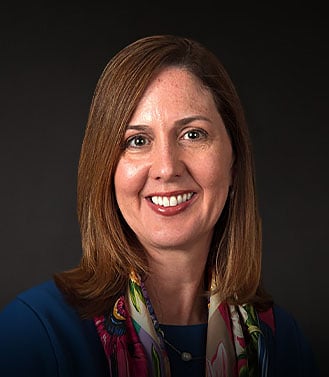
“You’re not just preparing your children to manage financial assets, you’re also teaching them how to integrate wealth into their lives,” says Ann Freel, director of Family Education and Governance Services for Northern Trust in Chicago. She suggests starting with conversations and activities that help children understand the family’s values, goals and the choices that the family makes about money. These types of experiences focus on the meaning of money in the family’s life as much as financial skills.

“We’re all searching to find meaning in life — and this search extends to the financial realm, too. The ways we learn about wealth should support this reality, not detract from it. That’s how wealth becomes a beneficial tool for realizing your potential, rather than a set of challenges or obstacles to overcome.”

Help Children Develop Good Financial Habits

Of course, it’s best to start developing your children’s financial habits and understanding long before they receive that first distribution. The message may change over time to fit a child’s age and circumstances, but Freel recommends starting early.

With young children, “You don’t need to talk about ‘wealth’ specifically, but you can talk about money in a continuous way that takes advantage of teachable moments around earning, saving, spending and sharing money. And then gradually, in an age appropriate way, you can talk about why you have this money that other people may not have and how you manage that.”

Once children approach the time of inheritance, they will likely be at an age where they are finding their own identities and redefining relationships with their families. This can be difficult in any family, and the dynamic of inheriting wealth can add pressure. Parents can diffuse some of that by advising them about the experience of receiving a first distribution for several years before the distribution, rather than trying to control what they do with it when it happens.

“The reality is that most times, once trust distributions begin, parents no longer have veto authority; and even if they maintain influence over assets, a battle of wills is not a good way for young adults to start their lives as inheritors. Instead, it’s best to talk openly about your own hopes and intentions, then ask your children what their goals are regarding the wealth, and truly listen with an open mind so you can help them think through their options.”

She says parents should refrain from characterizing their children’s spending plans as wasteful or without value, which feeds the potential for conflict over issues of identity, independence and responsibility. Often, parents and children can find some common ground — turning a year of surfing, for example, into a volunteer experience on those same beaches.

Freel adds, “Work with your advisors to actually show your children examples of how different spending patterns will affect the trust distributions — and if it’s possible, the principal — over time. Give them enough information that whatever they choose to do, they will make informed choices as a beneficiary.” Part of the process also can involve helping children understand the financial benefits of keeping assets in trust.

Some young people may view the mechanism as restrictive and infer they weren’t deemed responsible enough to handle the money because they’re receiving it over time, rather than in a lump sum. Even when that is the case, a trust offers advantages over an outright gift.

The Advantages of Using a Trust to Transfer Wealth

“Donors could use trusts to insulate wealth from creditors, as well as to protect it from a grandchild’s misadventures,” says Jeffrey Pennell, an Emory University law professor who specializes in trusts, wealth transfer taxation and estate planning. “Trusts are really useful devices because they provide a level of protection that’s not available with an outright gift. If you’re in a profession with a high malpractice exposure, the spendthrift provision of a trust will absolutely work to protect that money. So if you need a car or a house, the trust can purchase those things and you can enjoy the benefits, without them being exposed to any potential creditors.”

Inheriting wealth brings a unique set of challenges, and parents who themselves inherited money as young adults are able to relate to children in the same situation. However, if the parent’s experience wasn’t a positive one — for example, if the parent associates the wealth with bad family memories — he or she may find the process of watching the child come into money distressing or avoid talking about it altogether.

Freel’s advice is to be honest with yourself about your experiences so that you can be more aware of your reactions. Remember, you can choose what to replicate with your children and what to lose from those experiences. It’s normal to have some anxiety as your children move into adulthood, especially if they will be faced with the responsibility of managing significant wealth. Expect some failures along the way. That’s part of attaining financial maturity for every young adult. But if you’ve prepared them well, you should offer your assistance and then try to relax as you watch them grow up.

The following articles can help you introduce the subject of wealth and how to instill values and teach money management skills to children and grandchildren.
- Budgeting 101
- Investing 101
- Preparing Children for a Life of Wealth
- Living Well: A Roadmap for Lifelong Health and Wealth Planning
- Learning to Give
- The Principles of Effective Giving: A Best Practice Guide for Young Philanthropists

Invite your family to join Northern Trust Chief Fiduciary Officer Hugh Magill for this call on June 29 that can serve as an introduction to estate planning for children or grandchildren.
- Estate Planning Fundamentals Call - June 29, 2010