When a nonprofit organization you support and care about asks you to join its board of directors, it can be a gratifying, exciting moment. The group wants your advice and your leadership, and you’re probably eager to serve.
Your enthusiasm is well-founded: Board service can be deeply rewarding. Membership often also entails a substantial commitment of time and money, and can expose you to liability the organization incurs. So before you accept the invitation, it’s wise to ask several questions to ensure that joining the board is the right move.
What’s your role? The first step is to determine the expectations that accompany board membership. Many organizations, for example, expect their board members to make an annual financial contribution and attend regular meetings. Once at the meetings, you may be expected to know the intricacies of the field in which the nonprofit operates and provide advice accordingly. Are you willing?
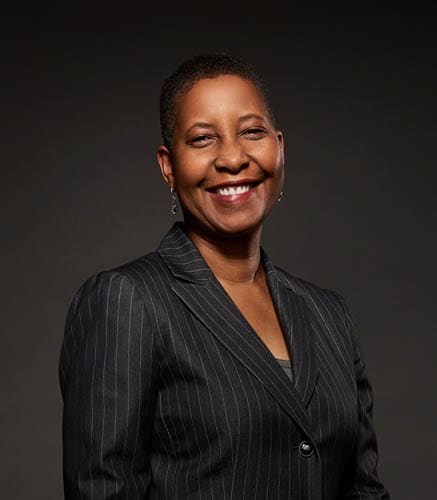
“Too many people join boards without finding out what’s expected of them,” says Paula Goedert, a partner with the Chicago law firm Barnes & Thornburg and a specialist in nonprofit issues. “They often join thinking that the board provides an opportunity for self-aggrandizement or business development, instead of focusing on what the organization will expect from them as a board member. The question to ask yourself is, ‘Do I have the commitment and ability to make a contribution?’ If you’re going to attend the social functions and snooze through the important parts, it’s not worth it.”
To learn what’s expected of you, read the board’s bylaws and the organization’s mission statement because your overarching fiduciary duty to the organization will be to advance its mission. Also talk to some current board members about their experiences.
Will you be expected to provide professional advice? This issue is particularly relevant if you’re an attorney or financial professional being asked to serve at smaller organizations that can’t afford or simply doesn’t want to pay for outside legal or financial counsel. The organization may hope to get advice from you in your professional capacity, but this is dangerous for a couple of reasons.
First, your specialty may not (and probably doesn’t) match up with the organization’s needs — a personal investment manager may not have the training or experience running an institutional investment fund, for example.
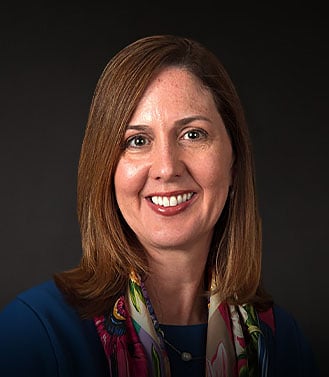
“A foundation or endowment has a much longer lifespan than an individual client, so the way to approach them is different from how someone would manage their own funds,” says Helen Nugent, senior wealth strategist for Foundation and Institutional Advisory Services at Northern Trust. If you do end up offering professional advice to the board, Nugent suggests requiring a clear set of guidelines, sticking to them and documenting your steps to demonstrate that you are adhering to policy.
The second issue is that by offering a professional service, you confuse your role. “Even when you’re very qualified, this is still dangerous. It’s hard to know which hat you’ve got on,” says Betsy Schmidt, owner of Southpoint Social Strategies in Williamsburg, Va., a nonprofit management consulting firm, and also a visiting professor at Vermont Law School. She uses the example of a lawyer providing legal advice to a board. If you get in trouble, your legal malpractice insurer might refuse to pay by claiming you were acting as a board member, while the board insurer might make the opposite claim.
A related danger is conflict of interest. As a board member, take extreme care if your company does business with an organization where you serve on the board. You’ll need to demonstrate that your firm did not collect a premium price or gain an advantage because of your position.
What protections does the organization offer? Board members can be held financially liable for claims against the organization. In practice, this concern is somewhat counterintuitive, because nonprofits whose work runs the greatest risk of liability are the most likely to have director’s insurance or offer bylaw protection that indemnifies board members. In contrast, smaller nonprofits without obvious liability exposure are more likely to not offer this protection.
“If you’re on a hospital board, could you be held personally responsible for medical malpractice? Not likely. But if you’re involved in the operations of a theater troupe or an art gallery, and someone is injured, it’s possible that a court could turn to the board members and say, ‘You should have known better,’” — and hold you personally liable, says Goedert, who also serves on boards of both a hospital and an opera company.
When investigating the available protections, ask about the limits of insurance coverage and whether antitrust coverage is included. “It’s a common exclusion, yet it’s a very common source of liability for board members,” Goedert says. That’s because boards, by bringing together people who may compete with one another in their primary business activities, can thus increase those members’ vulnerability to charges of anticompetitive behavior.
What’s the financial and structural health of the organization? Ask to review the organization’s bylaws, articles of incorporation, financial records and long-range plan. If it’s the middle of a fiscal year, ask to see updates and a tax return for the prior year. This is critical because a nonprofit that goes belly-up can leave its board members liable on certain claims even if the board members are otherwise insured. Specifically, if a troubled organization diverts funds meant for employee salaries to paying the bills instead, the board members could be held personally liable to pay payroll taxes; board members can also be held individually liable for sales tax obligations. As Goedert says, “You have to pause and make sure you’re willing to put yourself into the soup.”
In addition to weighing the risks of board membership and evaluating the organization you’d be joining, remember that as a board member you’ll have an opportunity to make a difference.
“The best protection [against liability] is good governance,” Schmidt says. “Somebody joining a board should be thinking, ‘I’m going to do a really good job and make sure the organization is doing a really good job.’”
That’s good news, because it matches up with the reasons that should be motivating you to serve a nonprofit organization in the first place.