Wealth - Winter 2012
twitter rss
Fall 2011 Issue

Strategic Thinking for Today’s Successful Nonprofits

Strategic Thinking for Today’s Successful Nonprofits

In the wake of recent financial turmoil, nonprofits face a growing list of challenges. Wealth spoke with Kendall Kay about those concerns, as well as how Northern Trust’s Foundation & Institutional Advisors can help organizations overcome them.

Fall 2011

Wealth: What are some of the most significant challenges the boards of nonprofits currently face?
Kendall Kay: There are challenges on which nonprofit boards are always focused:

But in this economy, it’s gotten very complicated. Over the last three years, many have seen an increase in the demand for their services. At the same time, organizations’ own assets have been impacted by the market turmoil, and there has been an overall decline in philanthropic donations.

Donors are making thoughtful decisions about the organizations with which they share their wealth. It’s more important to them now – more so than ever before – that the organizations are demonstrating responsible governance and financial stewardship while fulfilling their philanthropic goals.

Wealth: How can board members overcome these challenges?
Kay: It’s about governance and financial best practices to help sustain the mission of the organization. That’s one of the things Northern Trust’s Foundation & Institutional Advisors (FIA) tries to help our clients with.

Today, finding the right financial provider with which to partner is critical. Board members should ask themselves:

Wealth: What are the top criteria nonprofits should look for in a financial services provider?  
Kay: The number one thing is that the institution acts with integrity and fiduciary responsibility. Nonprofits need to work with a provider that has demonstrated not only that it has the investment expertise, but also that it seeks cost-effective solutions. Nonprofits are very sensitive about their expenses because they want their dollars to go toward supporting their mission.

Nonprofits also need to ensure they’re working with an institution that has demonstrated it is collaborative and can provide strategic advice. The financial services provider should demonstrate a focus on the nonprofit community and be able to share best practices from their experiences.

Wealth: How does Northern Trust’s FIA assist its nonprofit clients?  
Kay: Our focus at FIA is on smaller to mid-size nonprofits. Larger, complex nonprofit organizations typically have a chief investment officer with an investment staff. Smaller organizations generally have neither and are often led by the board.

Most boards consist of dedicated and passionate volunteers. Often the individuals may not have the time necessary nor the depth of investment expertise required to manage investment portfolios in a day-to-day environment. At best, boards meet monthly – more likely they meet only quarterly. Successfully managing the nonprofit’s assets over the long term requires the oversight and expertise of an organization that is proactively and objectively monitoring their portfolios.

We offer our clients a fully outsourced investment service and act as the nonprofit’s chief investment officer. We focus on investment strategy, asset allocation, risk management, governance, transparency and cost efficiencies. Questions we will ask an investment committee include:

Wealth: What are current investment trends in the nonprofit sector?  
Kay: Given today’s challenges, many of our nonprofit clients are seeking ways to do things differently. Some are looking for a more collaborative advisor to support the board in making strategic investment decisions. Others are pursuing superior investment results and are looking for strategies that are more sophisticated and incorporate alternative investments. A key concern for almost all of our clients is a cost-effective approach and the need for transparency.  

At Northern Trust, our fiduciary responsibilities guide our investment management decisions. We seek to add value through an investment process that is driven by the organization’s goals and includes a wide spectrum of investment capabilities that can be tailored to its needs. We also recently partnered with a premier investment firm, Makena Capital Management, to provide our qualified institutional investors with direct access to an exclusive endowment-style investment model similar to that pioneered by the largest university endowments. The Makena investment approach is based on broad portfolio diversification, with a specific emphasis on alternative and private market investments. This strategy is best suited for long-term investors with generational and/or perpetual capital investment objectives.

The bottom line is that we are committed to supporting nonprofit organizations as they serve our community, and we work hard to help them achieve both their financial and philanthropic goals.
 

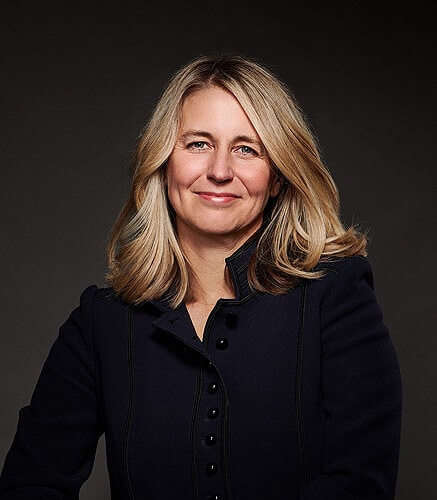
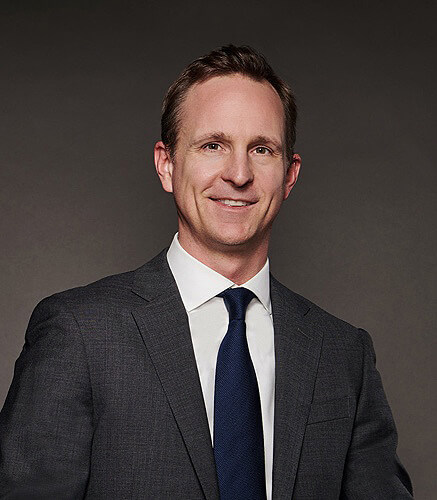
Kendall Kay

Kendall Kay is the national director of Foundation & Institutional Advisors at Northern Trust