Wealth - Winter 2012
twitter rss
Spring 2011 Issue

Getting in Front of Wealth Transfer

Getting in Front of Wealth Transfer

Wealth spoke with Northern Trust’s Raymond C. Odom and Ann Freel about the benefits of making significant wealth transfers now, rather than waiting until your estate settles.

Spring 2011

Wealth: Why should you take a proactive approach to wealth transfer, rather than wait for your estate to settle?

Raymond C. Odom: When you transfer wealth, you’re trying to fund an intention – whether that’s to support the beneficiary or enhance his or her lifestyle. But whatever the intention is, you can only ensure it is fulfilled if you transfer during life. For example, take a grandparent that wants to leave money for beneficiaries to pursue the performing arts in music. If they wait until death to make the gift, there is no way to know if the funds subsidized unemployment while playing back-up guitar in a garage band – or supplemented overseas living expenses while playing violin with the London Symphony Orchestra.

Ann Freel: It’s also important to have family members engage with one another during life. Part of the pain of going through an estate settlement is learning of intentions, gifts and assets, and not having the opportunity to talk with the deceased to learn why that transfer was important. I encourage families to think about pre-inheritance experiences they can help their beneficiaries have before they receive their full inheritance. A dialogue must occur where beneficiaries can practice certain skills and learn what they’ll need to do in a context that’s real to them before you’re gone.

Odom: Consider the spousal gift language in a typical estate document: ‘If my wife survives me, the trustee as of my death shall set aside out of the trust estate, as a separate trust for her benefit (undiminished to the extent possible by any estate or inheritance taxes or other charges) the smallest pecuniary amount which if allowed as a federal estate tax marital deduction would result in the least possible aggregate of (i) federal estate tax and (ii) state death taxes which are based upon the state death tax credit, that would be payable by reason of my death.’

This spousal gift language is tied to the tax code and gives an optimal tax result if the tax rates are high and exemption amounts are low. Notice, however, that the funding language gives no purpose or context for the spousal transfer. What if the first spouse dies in a year with high exemptions that allow the estate to eventually pass to children free of death taxes? Somewhere the trust language should clearly indicate the grantor’s intention toward the surviving spouse.

An example of such language might be something like, ‘My primary post-mortem intent is to ensure that my surviving spouse is financially secure. Therefore, in all events, the pecuniary amount in trust shall be at least $X million, and if the federal estate tax is not in existence at my death, the trustee shall allocate to the marital trust X% of the trust estate and any remaining amount to the Family Bypass Trust.’ The funding language could be expressed in fractions that are more flexible to circumstances, but the point is that in this example, the grantor spouse makes it clear that the primary intent of the gift is to take care of the surviving spouse during life irrespective of applicable taxes.

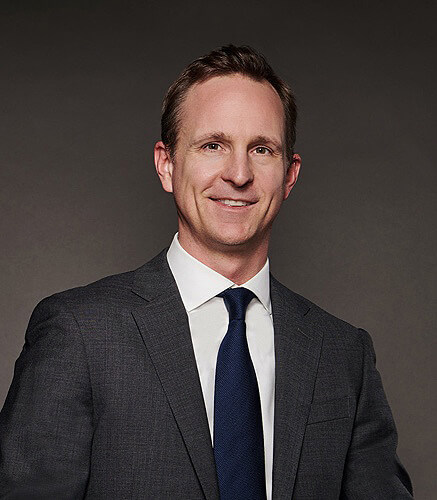
RAYMOND C. ODOM

RAYMOND C. ODOM is senior vice president, director of wealth transfer services for Northern Trust’s Personal Financial Services group. He provides wealth transfer planning strategies to clients, prospects and advisers.

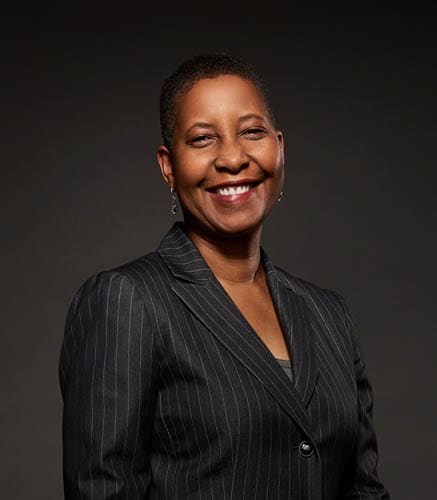
ANN FREEL

ANN FREEL is director of family education and governance for Northern Trust. She assists clients with the family dynamics of multigenerational wealth and wealth transfer.

Wealth: What’s the danger of transferring large amounts of wealth at death with no preparations made in life?

Freel: There’s a term that gets kicked around in family wealth management called ‘sudden wealth syndrome’ or ‘lottery syndrome.’ When you receive unexpected wealth that you haven’t integrated into your life, you’ll behave as if it’s a temporary gift that doesn’t really count. You will make decisions about the wealth during that period of shock that you may come to regret later. Most want to achieve a lasting legacy and support in someone’s life, so getting in front of wealth transfer is about preparing family members or loved ones and giving them time to psychologically adjust to receiving financial wealth.

Odom: Clearly it would be bad if people simply wasted money. But not properly preparing beneficiaries for wealth can cause even greater harm. If there’s not proper preparation, beneficiaries may adjust their lifestyles in a way that creates significant problems long after the gift is spent. We often see people go into debt attempting to permanently increase their annual standard of living based on a one-time gift. The classic example is buying a house that has associated taxes, assessments and indebtedness that cannot be supported by their income.

Wealth: What conversations should you have to prepare loved ones for wealth?
Freel:
There are three types of conversations that are important to have with your loved ones over time. The first is what I call ‘meaning of money’ chats. Find opportunities on a regular basis, in the midst of daily life activities to talk informally with loved ones about what wealth does and does not mean to you. Ask your loved ones about what money and wealth mean to them. For parents of young kids, these conversations are naturally part of the parenting process. But as children become adults, it’s important to keep looking for moments when we might be talking about money, and infuse wealth and values chats into those moments.

The second kind of conversation is when you give family members the ‘lay of the land’ of what you plan to transfer either during life or after death. I coach families to have four or five conversations to start talking about how they define wealth in their family. Then, talk about the types of assets the family has – without talking dollar amounts. Next, discuss the portions of wealth that will be coming to beneficiaries through an outright gift, a trust or a partnership interest during life or after death. Only lastly do we take a look at the full family balance sheet and what they might expect after a parent is gone.

The third type of conversation may not occur in all families, and certainly doesn’t have to happen as often in each generation. These are the big-decision conversations that take place when the family needs to resolve an open question about their wealth. For example, ‘Do we want to sustain our family’s foundation into the next generation?’ These often come up when families share special projects like charitable commitments or when beneficiaries share ownership of assets.

Odom: Keep in mind that conversations about wealth must be normal – what you say must fit the context of what you’re trying to communicate. Calling together family members with people they’ve never met to discuss something they’ve never discussed is just not the way most families communicate.

It’s also critical to leave room for ‘make-up’ conversations. In any conversation, there will likely be questions, inferences and things you couldn’t know until you’ve had time to think about what was said.

Finally, allow time to see what the game will look like when there’s no referee. All the kids get along pretty well now, but you’re here. Many assume that big qualms will go away, but they won’t.

Wealth: How can you prepare yourself to transfer large amounts of wealth in life?

Freel: Realize it’s normal for this process to be a little uncomfortable at first; it’s not something that individuals or families will feel confident doing alone the first time. It is all about the practice and the experience. I try to help families normalize that it’s something new and different, and it’s not going to feel natural right away. After all, you’re building a whole new set of skills and taking your family relationships to a new level.

Odom: You have to start viewing investing in individuals for a fulfilling purpose as a joy. You can actually have fun with this. For many people, wealth is a byproduct of what brought joy in their life – the creative process of productivity, work, career, their calling. The question is, ‘How can I have fun with wealth the same way I had fun with the other things?’ The answer is by doing something consistent with your values, callings and commitments during life that uses the wealth.

Those who really get into philanthropy understand that. They go to fundraisers and dinners, and travel all over the world. And every day, they find something new and meaningful that they’re able to participate in as a result of the transfer of wealth. But that joy doesn’t only come from philanthropy. You can find the same joy and interest in transferring wealth to individuals. It’s not about death; it’s not about minimizing tax confiscation; it’s about investing your time and energies in something that’s fulfilling.