If one item stands out in Northern Trust’s 2010 Wealth in Black America study, it’s the strong culture of philanthropy that exists among affluent black Americans. Survey findings reveal a tendency for affluent blacks to give to charitable organizations and financially support adult family members. These findings and more were unveiled in September at Northern Trust’s DreamMakers’ Forum®, a biennial conference held in Washington, D.C. for affluent blacks to discuss creating, preserving and transferring wealth.
Northern Trust conducts surveys like Wealth in Black America to better understand the needs of high-net-worth individuals. Wealth in Black America focuses on the financial attitudes and preferences of black Americans with household incomes of at least $250,000 or a minimum of $1 million in investable assets. Both affluent blacks and affluent non-blacks were included in the survey to compare attitudes and behaviors.
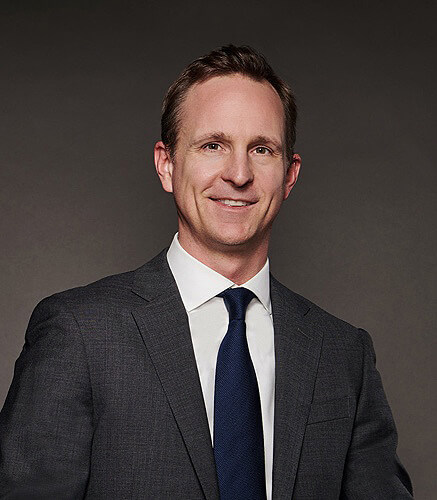
The 2010 Wealth in Black America survey is Northern Trust’s second comprehensive study on this affluent segment – the first was conducted in 2008. “There haven’t been many studies specifically about high-net-worth blacks and other minorities, and their use of estate and wealth transfer plans,” says Mark Welch, director of global diversity & inclusion at Northern Trust.
A Culture of Giving
Wealth in Black America reveals an emphasis on giving in two areas: 52% of respondents give to educational institutions vs. 39% of affluent non-blacks; 47% of respondents give to human-services organizations vs. 38% of affluent non-blacks.
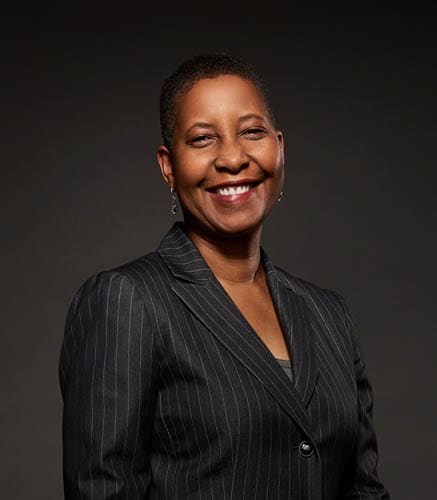
Charitable giving among successful blacks fits into their long-standing cultural heritage. “Year after year, the affluent black community has been highly philanthropic, whether they give through their churches or universities, or through organizations in communities where they have built businesses, raised their families or were otherwise engaged in creating their personal wealth,” says Marguerite Griffin, national director of philanthropic services at Northern Trust.
The emphasis on educational support comes as no surprise to Griffin either. “For many affluent blacks, that was their ticket to being able to build wealth for themselves and their families,” she says.
Wealth in Black America reflects the personal attitudes of black entrepreneur-philanthropists like Michael Melton, who was raised in the projects of Kansas City, Mo., by a single mother. Today, he’s a partner in Washington, D.C. law firm Norris & Melton, and co-owner of 20 Taco Bell and Five Guys restaurants in the Atlanta area.
The first in his family to attend college, Melton feels a strong responsibility to help other young African-Americans succeed. At 52, he’s the president of 100 Black Men of Greater Washington, D.C., a mentoring and tutoring program, and gives to numerous other youth organizations. “There weren’t any structured mentoring programs when I was young,” he says. “If I had gotten some additional help when I was young, I would have had an easier path along the way.”
Wealth Leads Back to Families
In their book, Black Is the New Green: Marketing to Affluent African Americans, Leonard E. Burnett and Andrea Hoffman estimate the total income of affluent African-American households at $107 billion, with a disposable income of $87.3 billion. (They define “affluent” as $75,000 individual annual income and $150,000 household annual income.) In fact, the number of affluent black households has been on the rise for decades. The number of known black millionaires in the U.S. has spiked from a handful in the 1960s to some 35,000 today, Welch says.
Despite impressive gains, many people in this demographic are the only ones in their families to have prospered financially, which could explain the correlation with giving to family members. Half of black survey respondents provide financial support to adult children. That number has risen since the financial crisis, up from 24% in 2008 to 50% in 2010. Blacks feel significantly more responsible for supporting adult family members compared with non-blacks (52% vs. 36%). They expect to continue providing financial support to adult relatives over the next decade.
“I think there’s a very specific issue here – that this is the first generation of wealth for many people of color,” Welch says. That could help explain the difference between how groups view financial responsibility toward family members.
An Emphasis on Trust
Other findings in the study are similar to the behavior of many Americans, such as a tendency to put off creating a will or estate plan and generational differences in giving. A distinct trust factor does stand out in the report: The No. 1 factor sought by affluent blacks in a financial advisor is the ability to establish a “trusting relationship,” which ranked higher than understanding personal appetite for investment risk, the advisor’s level of expertise and advisor accessibility. This focus on trust reflects a strong cultural emphasis on autonomy and the value placed on slowly nurtured personal and business relationships.
This may explain, in part, a tendency among affluent blacks to give directly to charitable organizations, as opposed to giving through a structured financial vehicle like a charitable trust or donor advised fund. Welch notes they’re also more likely to hold investments in closely held businesses like sole proprietorships. “That suggests to me that there are more people from affluent black households who acquired their wealth through independent business ventures rather than the traditional corporate route,” he says.
But affluence simply isn’t a legacy in the vast majority of black families. Melton believes the desire to give directly speaks to the newness of wealth in these communities and could also be a means of avoiding complicated tax issues or long-term commitments. To donate directly to a philanthropic cause, “you don’t have to have institutional processes in place,” he says. “I think as more of our people acquire generational money, more trusts will be set up.”
To learn more about the Wealth in Black America study, visit www.northerntrust.com/wealthinblackamerica.