Wealth: Will the Dodd-Frank Wall Street Reform
and Consumer Protection Act change how Northern Trust is able to
serve clients and their families, including their businesses,
trusts and foundations?
Jean Sheridan: Our business model will not change
as a result of Dodd-Frank. We believe, overall, the Act will have
less impact on custodian and trust banks like Northern Trust, given
the nature of our business and the services we offer our
clients.
This does not mean we underestimate the impact the Act may have on our business and our clients. We are focused on several rules that will affect Northern Trust, as well as our clients. However, regulators have not yet issued final – and in some cases proposed – regulations on several aspects of the Act. For example, proposed regulations for the Volcker Rule were released only in mid-October. While it is not possible to evaluate the full impact of the Act, our commitment, as always, is to help clients manage and preserve their wealth through changing environments.
Wealth: Will the new consumer protection rules
change the way Northern Trust does business?
Sheridan: The aspects of Dodd-Frank that will provide
greater protection to our clients, and the financial services
industry as a whole are consistent with our conservative business
model and risk approach. We expect the most significant change will
come as a result of the creation of the Bureau of Consumer
Financial Protection, which impacts lending and deposit banking
products, and will result in increased data and reporting
requirements for financial institutions including Northern Trust.
We do not think this will have a major impact on how we manage our
business.
Wealth: Do the changes make Northern Trust a
more secure, stable institution?
Sheridan: In addition to increased reporting
requirements and compliance with consumer protection rules, there
will be increased capital and prudential requirements. Northern
Trust already operates at very high levels of capital and continues
to be a high-performing organization by a variety of measures,
including our credit quality, growth in client assets, stable and
solid credit ratings, and highly liquid balance sheet. We
consistently rank as one of the strongest financial institutions in
the United States in terms of our financial strength and
stability.
Wealth: Under the new rules, will clients be
required to clear derivatives or will they be exempt?
Sheridan: Regulations are not yet final. However, the
mandatory clearing of swaps will largely depend on two key factors:
(1) how an entity is classified; and (2) the types of swaps traded.
Under the proposed rules, if you are a swap dealer or major swap
participant, you will need to register and will be subject to
comprehensive regulations. Based on proposed rules, it appears that
many corporations and pension funds may receive end-user exemption
from trading centrally cleared swaps. It also appears likely that
vanilla swaps will make up the majority of products traded on
central counterparties, while exotic or bespoke swaps or options
will continue to be traded over the counter.
Wealth: What kinds of margins will clients be
able to post at the clearinghouse?
Sheridan: According to the proposed rules, investors who
clear swaps will be required to post initial and variation margins
through their clearing member. The list of acceptable collateral
will vary from one exchange to another, but it appears that this
will generally be restricted to cash and highly liquid, stable
instruments, such as government bonds.
Wealth: Will there be additional costs to
trading swaps on the exchange?
Sheridan: Investors will see both direct and indirect
costs associated with trading cleared swaps. With the addition of
two new parties to the agreement, the direct costs will be evident
when trading a cleared swap. Both the exchange and clearing member
will include charges in processing a transaction. For example,
indirect charge swap participants will need to negotiate new
execution and clearing agreements and choose the clearinghouses
where they prefer to clear their swaps. In addition, clearing
members may charge excess margins, which would add to the total
cost of carrying a swap.
Wealth: Has the pace of the rulemaking process
affected Northern Trust’s ability to assess what will
eventually become law?
Sheridan: The pace of the rulemaking process has been
challenging for financial institutions, including Northern Trust.
In some cases, rapid rulemaking requirements allow little time for
planning and implementation; in other situations, slow rulemaking
limits the kind of progress we can make. Central to the challenges
is that several parts of the law have an effective date 12 to 18
months from the date of enactment, but in many cases the final
rules are yet to be issued by the regulatory agencies.
However, we anticipate that during the first quarter of 2012 we will see many important proposed and final rules released by regulators. Northern Trust has a Global Financial Regulatory Reform Management team that actively monitors and responds to these new rules and is engaged in the rulemaking process and industry developments.
Wealth: Does the Act introduce any new
complexities for clients? How can Northern Trust help manage
these?
Sheridan: Dodd-Frank is the most comprehensive financial
reform legislation in the United States since the 1930s. It is
complex. However, as a wealth manager, our objective is to
anticipate the needs of our clients ahead of these changes.
We actively participate in the rulemaking process – both individually and through industry groups through comment letters and meetings with regulators, U.S. Congress members and the U.S. Treasury – to understand the intent of proposed rules, prepare business requirements and anticipate client needs. We participate in industry forums and working groups to better understand the trends and the impact to our clients. Depending on their needs and our role, we have taken a consultative approach with our clients in some cases; in other instances, we have taken a collaborative approach. Our intention is to stay ahead of regulatory change and help our clients do the same.
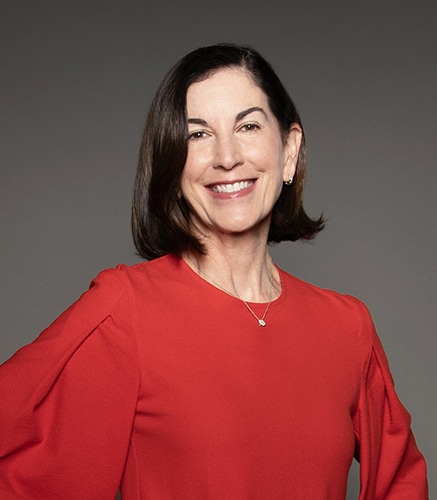
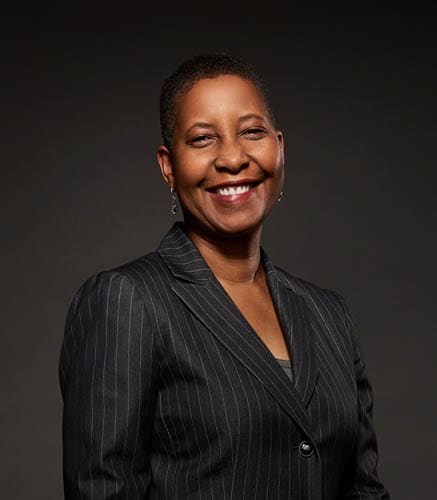
Jean E. Sheridan has served in several roles at Northern Trust including chief risk officer and chief operating officer for Personal Financial Services. Prior to that, she served in Corporate & Institutional Services where she was responsible for core services, strategy, sales, product development and strategic planning. Earlier, she led Worldwide Operations, directing Northern Trust's activities in London, Dublin, Singapore, New York, Miami and Chicago.