- Who We Serve
- What We Do
- About Us
- Insights & Research
- Who We Serve
- What We Do
- About Us
- Insights & Research
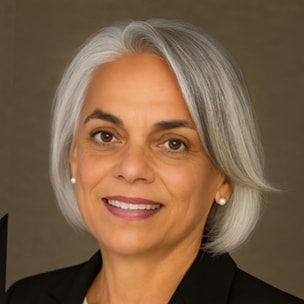
When Christine Holmes joined Northern Trust nearly 15 years ago, digital accessibility wasn’t even on her radar. Then an IT director asked if an application she was working on could be made accessible to people with disabilities. She said yes and dove in. That moment sparked a passion that shaped her next career chapter.
Today, Christine is part of the Northern Trust Experience Design & Research team, where she serves as the first director of digital accessibility, a position that reflects the rising importance of accessible, inclusive digital experiences.
"It’s about building technology that works for all of us. This is important because it gives everyone the same experience, improves usability, boosts productivity and helps us avoid legal risks."

Read more from Christine as she shares what digital accessibility means, why it matters and how everyone can play a part in building more inclusive experiences.
What is digital accessibility, and why is it important?
It’s making sure websites, apps, PDFs, videos – basically anything digital – can be used by everyone. That includes people with vision or hearing loss, mobility challenges or cognitive differences. It’s about building and implementing technology that works for all of us. This is important because it gives everyone the same experience, improves usability, boosts productivity and helps organizations avoid legal risks.
At Northern Trust, being client-centric means thinking about every client. Some of our clients face vision, hearing and mobility changes. Meanwhile, other clients are highly tech-savvy and expect digital tools to just work. When we design with everyone in mind, we’re not only being inclusive, we’re staying competitive and aligning with our clients’ needs and expectations.
How has Northern Trust made digital spaces more inclusive for our employees and clients?
A lot is happening! We’re using accessible tools like Microsoft 365 – which includes Word, PowerPoint and Teams - all have built-in features that help create more inclusive content and meetings. We’re also working with our internal teams like eLearning to raise awareness around things like color contrast for people who are colorblind. There’s a lot happening behind the scenes to build awareness and shift how we work.
For our clients, our product teams are designing products that work with assistive tech – like screen readers or keyboard navigation – so everyone can access our platforms. These are just a few ways we’re making our technology more inclusive because every client deserves a barrier-free experience.
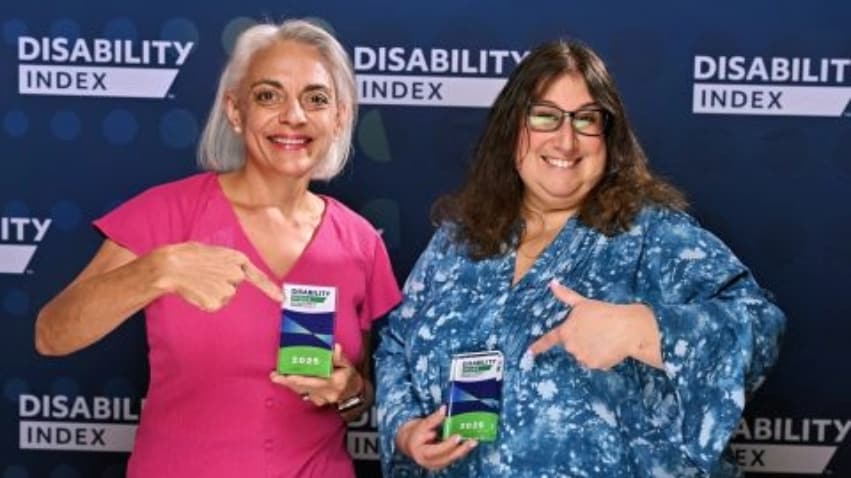
And our work around digital accessibility has been recognized, for the seventh year in a row, as Northern Trust has been named one of the Best Places to Work for Disability Inclusion by the Disability Index®, earning a top score of 100.

How does Digital Accessibility tie into our One Northern Trust corporate strategy?
We operate in a global industry, so staying compliant with accessibility standards like Web Content Accessibility Guidelines (WCAG), Americans with Disabilities Act (ADA), Accessible Canada Act (ACA), and the European Accessibility Act (EAA) is a must. It reduces risks and strengthens our reputation.
At the same time, accessibility drives better user experiences and supports our digital growth. Building accessibility from the start helps us move faster, reach more people and deliver inclusive, high-quality experiences that set us apart.
How do Northern Trust employees learn more about and support digital accessibility?
There are lots of easy ways my colleagues can learn more about digital accessibility and support our initiatives. They can take classes via our internal learning platform, Northern Trust University, to learn how to build accessibility into their everyday work. We also publish articles with tips to help our teams create accessible materials for partners and clients. And we also have our employee-led Abilities Business Resource Council (BRC) which works to raise awareness and support inclusion across Northern Trust.
Lead with Inclusion
Whether you’re designing a product, writing a document or leading a meeting, building with inclusion in mind creates stronger experiences and smarter solutions. Digital accessibility is everyone’s responsibility and a key part of how we grow, lead and stand out. Now’s the time to lean in – I would encourage everyone to explore the tools, take courses, ask questions and help make their organizations more inclusive by design.

Featured: Christine Holmes, director of digital accessibility and Stacey Bromberg, Abilities BRC co-lead and senior trust advisor
Fast Facts about Christine
Name: Christine Holmes
Role: Director Digital Accessibility in Experience Design and Research
Geographic Location: My department is in Chicago, I work remotely in Arizona
Favorite thing about the Chicago office: The flex spaces I can use when I need to concentrate on something in a quiet area. Also, that it's in Chicago steps away from all the amazing Chicago architecture.
Education: Bachelor’s Degree in Information Technology with a minor in Business
Hometown / where are you living now? Hometown born and raised Lisle, Il. Currently residing in Anthem, AZ
Do you have a pets? – I have 1 dog, a rescue American Staffordshire Terrier. She loves to come into my office and listen to my meetings. She hates rain but loves swimming.
Where do you volunteer your time? Community clean up.
What are you reading / podcast recommendation – Reading all the books by Freida McFadden
Favorite sports team - Da Bears (the Chicago Bears)
Comfort food - Thai seafood soup
Best advice you've received - You don't know what you don't know. Meaning keep an open mind and continue to learn. I used to worry about every scenario my brain could imagine and this advice helped me understand I can't control everything.
Describe Northern Trust in one word - Stable