'%3e%3cpath%20d='M14.5584%2010.5857L23.6652%200H21.5072L13.5999%209.19156L7.2843%200H0L9.55034%2013.8992L0%2025H2.1582L10.5087%2015.2935L17.1783%2025H24.4626L14.5582%2010.5857H14.5588H14.5584ZM11.6025%2014.0215L10.6348%2012.6375L2.9357%201.62451H6.25036L12.4638%2010.5123L13.4315%2011.8963L21.5082%2023.4491H18.1935L11.6027%2014.0219V14.0213L11.6025%2014.0215Z'%20fill='%23808182'/%3e%3c/g%3e%3cdefs%3e%3cclipPath%20id='clip0_20_84'%3e%3crect%20width='24.4624'%20height='25'%20fill='white'/%3e%3c/clipPath%3e%3c/defs%3e%3c/svg%3e)
%20is%20a%20leading%20provider%20of%20wealth%20management,%20asset%20servicing,%20asset%20management%20and%20banking%20to%20corporations,%20institutions,%20affluent%20families%20and%20individuals.%20Founded%20in%20Chicago%20in%201889,%20Northern%20Trust%20has%20offices%20in%20the%20United%20States%20in%2019%20states%20and%20Washington,%20D.C.,%20and%2020%20international%20locations%20in%20Canada,%20Europe,%20the%20Middle%20East%20and%20the%20Asia-Pacific%20region.%20%3c/desc%3e%3cpath%20fill='%233d4042'%20d='M21,21H17V14.25C17,13.19%2015.81,12.31%2014.75,12.31C13.69,12.31%2013,13.19%2013,14.25V21H9V9H13V11C13.66,9.93%2015.36,9.24%2016.5,9.24C19,9.24%2021,11.28%2021,13.75V21M7,21H3V9H7V21M5,3A2,2%200%200,1%207,5A2,2%200%200,1%205,7A2,2%200%200,1%203,5A2,2%200%200,1%205,3Z'%3e%3c/path%3e%3c/svg%3e)
%20-%20https://sketch.com%20--%3e%3ctitle%3eEmail%3c/title%3e%3cdesc%3eShare%20article%20via%20email%3c/desc%3e%3cg%20id='Article'%20stroke='none'%20stroke-width='1'%20fill='none'%20fill-rule='evenodd'%3e%3cg%20id='article-desktop'%20transform='translate(-291.000000,%20-905.000000)'%20fill='%233d4042'%20fill-rule='nonzero'%3e%3cg%20id='Group-3'%20transform='translate(280.000000,%20700.000000)'%3e%3cpath%20d='M12.5859376,205%20L25.5,216.098563%20L38.4140625,205%20L12.5859376,205%20Z%20M11,206.352162%20L11,221.582916%20L19.5446429,213.697123%20L11,206.352162%20Z%20M40,206.352162%20L31.4553572,213.697123%20L40,221.582916%20L40,206.352162%20L40,206.352162%20Z%20M21.1197917,215.049268%20L12.5212054,223%20L38.4787946,223%20L29.8802084,215.049268%20L26.1688988,218.240388%20C25.7827601,218.567837%2025.21724,218.567837%2024.8311012,218.240388%20L21.1197917,215.049268%20L21.1197917,215.049268%20Z'%20id='Shape'%3e%3c/path%3e%3c/g%3e%3c/g%3e%3c/g%3e%3c/svg%3e)
'%20fill='%233d4042'%20fill-rule='nonzero'%3e%3cpath%20d='M317.048444,961%20C318.677807,961.001791%20319.998224,962.333083%20320,963.975866%20L320,963.975866%20L320,972.789759%20C320,973.478748%20319.446027,974.037283%20318.762667,974.037283%20L318.762667,974.037283%20L313.420222,974.037283%20L313.420222,980.619276%20C313.466211,981.335082%20312.928257,981.953082%20312.218333,982%20L312.218333,982%20L298.781667,982%20C298.071743,981.953082%20297.533789,981.335082%20297.579778,980.619276%20L297.579778,980.619276%20L297.579778,974.037283%20L292.237333,974.037283%20C291.553973,974.037283%20291,973.478748%20291,972.789759%20L291,972.789759%20L291,963.975866%20C291.001776,962.333083%20292.322193,961.001791%20293.951556,961%20L293.951556,961%20Z%20M311.486889,970.525371%20L299.513111,970.525371%20L299.513111,980.050743%20L311.486889,980.050743%20L311.486889,970.525371%20Z%20M314.395276,962.742345%20C313.970645,962.65481%20313.549254,962.905694%20313.420222,963.322865%20C313.394809,963.404999%20313.380715,963.490265%20313.378333,963.576269%20C313.380722,963.661209%20313.394821,963.7454%20313.420222,963.826423%20C313.529012,964.18316%20313.855609,964.426832%20314.225778,964.427444%20C314.659193,964.427644%20315.022348,964.096906%20315.066078,963.66215%20C315.109809,963.227395%20314.819907,962.829881%20314.395276,962.742345%20Z%20M317.130097,962.784571%20C316.813535,962.651298%20316.448506,962.723595%20316.20547,962.967701%20C315.962434,963.211807%20315.889338,963.579564%20316.020315,963.899239%20C316.151293,964.218915%20316.460504,964.427444%20316.803556,964.427444%20L316.803556,964.427444%20C317.274992,964.425655%20317.651006,964.045094%20317.651006,963.576269%20C317.652304,963.230394%20317.44666,962.917844%20317.130097,962.784571%20Z%20M311.783656,955%20C312.500482,955.040538%20313.043667,955.574507%20312.997231,956.192982%20L312.997231,956.192982%20L312.997231,959%20L297.002769,959%20L297.002769,956.192982%20C296.956333,955.574507%20297.499518,955.040538%20298.216344,955%20L298.216344,955%20Z'%20id='icon-print'%3e%3c/path%3e%3c/g%3e%3c/g%3e%3c/svg%3e)
By Steph Wagner, National Director of Women & Wealth
Throughout my time at Northern Trust, I’ve had the opportunity to work with extraordinary women — leaders whose wisdom have been shaped by pivotal decisions, hard‑won experience and a deep understanding of what it means to manage wealth with intention.
As women’s influence over wealth continues to expand, so does the complexity of the choices we face. From career inflection points and liquidity events to caregiving responsibilities, business exits and moments of unexpected loss, navigating wealth today requires confidence, clarity and trusted guidance — especially when the stakes are highest.
I invited a group of Northern Trust's women leaders to reflect on the decisions, advice and experiences that most shaped their own financial journeys. Through a series of questions designed to prompt reflection and practical insight, they share what strengthened their long‑term financial position, how they approached major life transitions, and what they’ve learned — sometimes the hard way — along the way.
Their perspectives offer more than insights. They provide a lens into how thoughtful decision‑making, the right advice at the right time and a clear sense of purpose can help women navigate change, avoid common pitfalls, give forward with intention and ultimately define success on our own terms.
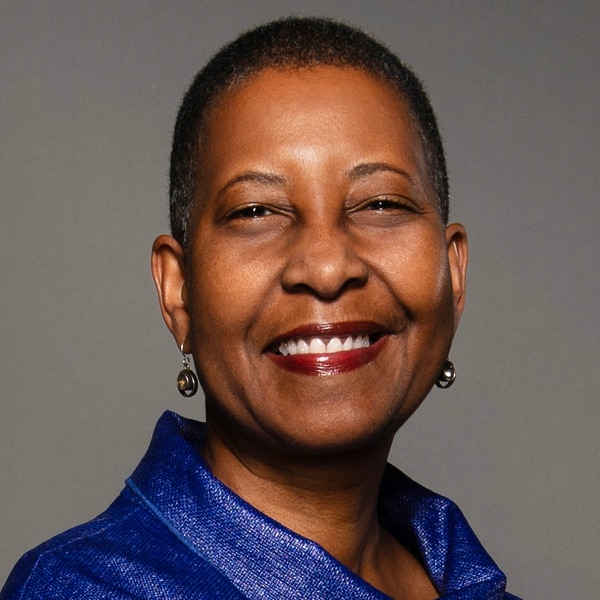
Marguerite H. Griffin
Director of Philanthropic Advisory Services
When facing a major life transition — career pivot, caregiving, selling a business, a liquidity event or the loss of a spouse — what is the one piece of advice you’d give to navigate it with financial confidence?
Slow down before you speed up. Major transitions ask us to grieve, reorient, and listen, yet money decisions often demand urgency. Financial confidence doesn't come from having all the answers; it comes from creating space to ask better questions. Tend to your nervous system first. Get grounded. Then assemble a circle of support — professionals who respect your values, your timing and your lived experience. Just as I often say in wellness work: Sustainable choices are made when we are regulated, rested and resourced. Give yourself permission to pause, to not decide everything at once, and to let your financial life unfold in seasons rather than sprints.
What is the best piece of advice you’ve ever received about money, leadership or life — and when did it prove most valuable?
"Do what you love every day." It sounds simple — almost naive — but it has proven valuable precisely because life is rarely simple. That advice has guided me through career pivots, leadership challenges and moments of deep uncertainty. It reminds me that alignment matters more than optics, and that fulfillment is built through daily choices, not grand gestures. It proves most valuable every single day: when deciding how to spend my time, who to work with, and what I say yes and no to. Loving what you do doesn't eliminate difficulty, but it gives you the resilience to meet it with integrity.
For those looking to give back — sharing their time, talent or treasure — what actionable steps do you recommend to maximize their impact?
To maximize impact, begin with clarity. What moves you? What keeps you up at night? Impact deepens when giving is rooted in values rather than trends. Next, align your time, talent and treasure intentionally. Writing a check matters, but so does governance, advocacy, mentorship and staying curious about the systems surrounding an issue.
Build relationships with the organizations you support. Ask what they actually need — not what feels good to offer. Trust their expertise. Fund capacity, not just programs. And whenever possible, commit for the long term. Consistent support allows organizations to plan, grow and lead with confidence.
Finally, reflect regularly. Giving is not static; it evolves as we do. Let your generosity mature alongside your life experience. And invite others into the conversation, especially modeling thoughtful language. Shifting from "giving back" to "giving forward" is a small change, but it opens the door to a more respectful, expansive understanding of generosity — one rooted in partnership rather than posture.
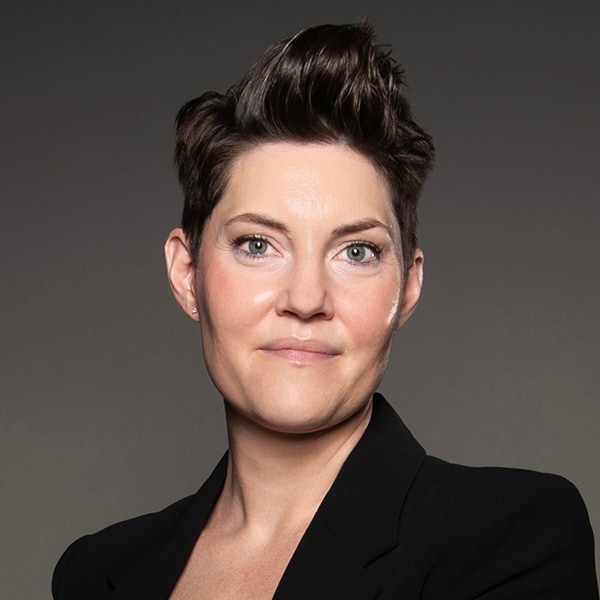
Lynne Kostakis
Executive Director of Alternative Investments, Wealth Management
Looking back, what one decision most strengthened your long term financial position — and what would you tell a woman making that decision today?
Finish school! I had an unplanned pregnancy when I was 21 years old and a junior in college. I received a lot of advice that I should delay finishing my undergraduate education during my pregnancy. The reality was that my financial stability (or potential lack thereof) was what was going to support my daughter. I stuck it out throughout my pregnancy, worked full time, and I graduated two weeks after she was born.
As women, our decisions often don't just impact us. We are shaping and impacting the lives of others based on those decisions. Financial independence, whatever that looks like for you, is vitally important to supporting those who depend on us. Use your grit when it gets hard — we are all in your corner!
When facing a major life transition — career pivot, caregiving, selling a business, a liquidity event or the loss of a spouse — what is the one piece of advice you’d give to navigate it with financial confidence?
Before you even get to financial confidence, you need to start with personal confidence. Trust that you are strong, brave and capable. Once you have your personal confidence, make a plan — your financial confidence will come. And if your life looks anything like mine, make a plan A, a plan B, and a plan C! Not everything goes as you thought it would — some of the best moments come from the unplanned.
What is the best piece of advice you’ve ever received about money, leadership or life — and when did it prove most valuable?
Ask for it! No one can read your mind. Even if you told someone a month ago, a week ago, a day ago — tell them again. Make your intentions, your value and your ask clear. If they don't value you, you may be in the wrong place. This has been valuable throughout my life and will continue to be. If it's not right, find a new place. Your financial stability and independence will allow that to happen.
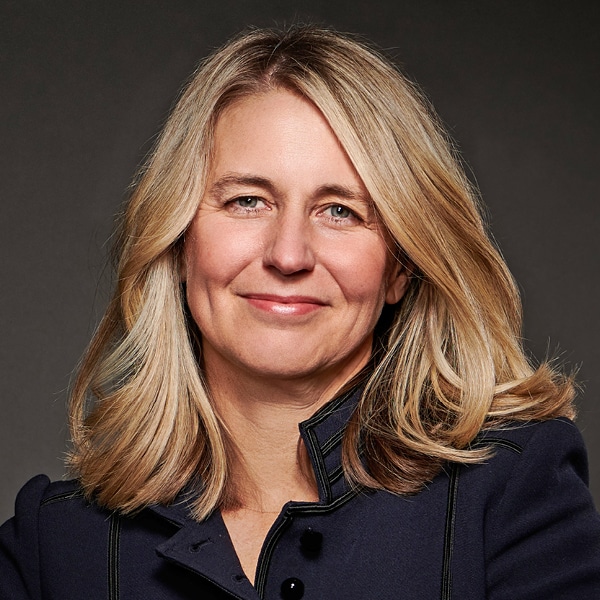
Pam Lucina
President of The Northern Trust Institute; Head of Family Office Solutions, Global Family Office
When facing a major life transition — career pivot, caregiving, selling a business, a liquidity event or the loss of a spouse — what is the one piece of advice you’d give to navigate it with financial confidence?
When changing jobs after many years, your greatest asset is not your resume, but your relentless follow-through. In a new environment, you build trust by closing every single loop. I once sat through a series of meetings to hear a team's long list of complaints. I made it a point to follow up on every item, even the ones I couldn't fix. Even telling someone, "I looked into this, and here is why we can't change it," is more respected than a hollow promise. That quiet reliability is how you earn the right to lead. It turns your skeptics into allies and gives you confidence to drive the business forward.
If you could host a dinner party with one woman — dead or alive — who would you invite, and why?
I would host Eliza Hamilton. Most people focus on her husband, but Eliza was the one who had to master the math to survive. After Alexander died in debt, she rebuilt her family's security and became a pioneer in the nonprofit sector by raising capital to run New York’s first private orphanage. I would love to sit and talk to her about her "long game." She navigated a system designed to keep women out and built a legacy that lasted two centuries. It is the ultimate story of resilience.
What is the best piece of advice you’ve ever received about money, leadership or life — and when did it prove most valuable?
The best piece of advice I ever received was "lean into uncomfortable conversations." I learned this the hard way when my family avoided discussing my parents' long-term care expenses. Because we didn't talk about the money and the "what-ifs" early on, it led to massive assumptions and hurt feelings during an already stressful time. The experience proved that silence is far more expensive than difficult talk.
I plan to pass this lesson on by practicing openness with my three daughters. Even on a fun shopping day, we step back and talk about the "uncomfortable" side of money, meaning the trade-offs involved in choices, cars and lifestyle. By discussing the math behind our decisions, we have removed the taboo. My goal is to make them lead with the confidence that comes from knowing exactly where they stand.
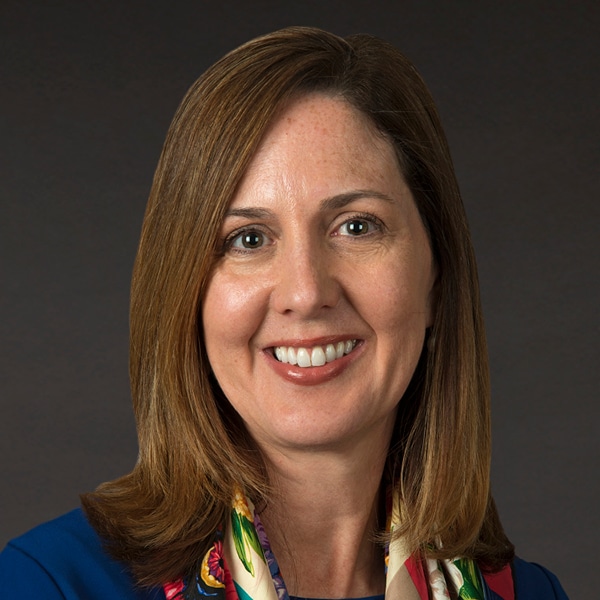
Laura Mandel
Chief Fiduciary Officer
Looking back, what one decision most strengthened your long term financial position — and what would you tell a woman making that decision today?
When my children left for college, my husband and I sold our house and downsized our residence dramatically. We were able to increase our retirement savings and had more time to enjoy activities we love. My advice: Do not be afraid to make changes that may not be what your peers are doing in terms of lifestyle. Just because you have lived in a certain home or neighborhood does not mean you need to do it forever. New stages can be financially and emotionally beneficial.
If you could host a dinner party with one woman — dead or alive — who would you invite, and why?
Queen Elizabeth I. Her ability to survive and rule England for over 70 years as a single woman (she refused to marry despite constant pressure from Parliament) has always fascinated me. Elizabeth spoke six languages and could read the classics in their original Greek and Latin, certainly a good foundation for governing a country and interacting with foreign courts. Elizabeth inherited a kingdom immersed in internal dissent and created stability. She was an early adopter of global trade and a patron of the arts.
What’s the biggest mistake you’ve seen women make with their wealth — and what should they consider instead?
Playing it too safe because of a lack of familiarity with more complex investment strategies. While complex strategies can bring additional risk to a portfolio, they also can bring diversification and the potential for higher returns. Monitoring your 401(k) plan's performance is a good place to start because you are investing for the long-term. If you are not seeing an increase in value over several years, consider whether the investments you have selected are too conservative to fund the lifestyle you want in retirement.
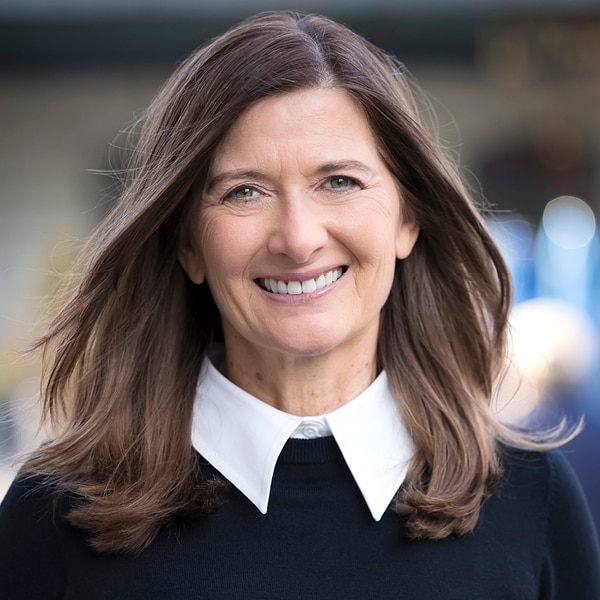
Susan J Merritt
Chief Fiduciary Officer, West Region
Looking back, what one decision most strengthened your long term financial position — and what would you tell a woman making that decision today?
My husband and I have traditionally been very debt averse and therefore, consistently took steps to pay cash where possible and to pay down larger debt items, like student loans or mortgages, as quickly as possible. We have also taken the position of having a cash buffer to meet all expenses for one year. While this approach has been very conservative, and we have foregone a number of investment opportunities, it has provided us with the comfort and security needed to weather any storms and manage any unexpected financial surprises. Hindsight is always 20/20 and in retrospect, given low interest rates, we would have been in a better position to invest our funds, rather than pay down debt. That said, our approach has given us a tremendous amount of freedom and not too many sleepless nights, so this is still a win for us.
If you could host a dinner party with one woman — dead or alive — who would you invite, and why?
My grandmother passed away when I was 18 and, at the time, I did not appreciate her life story, and the lessons of courage, resilience and love that she passed along to me. My "Gramma Annie" immigrated to Canada from Eastern Europe on her own when she was just a young teen in the hopes of a better future. She lived a full life but experienced a tremendous amount of family tragedy and loss. I have thought a great deal about her since I had my daughter and it was only then that I realized the depths of her strength and bravery, and that of her parents, who had to say goodbye to their only daughter, at such a young age. Her lessons of courage, resilience and love have remained with me and have helped guide me through every aspect of life. I would love to have one last meal with my Gramma Annie — to laugh with her, cry with her, hug her, acknowledge her losses and sacrifice, introduce her to my daughter, and thank her for enduring through it all.
What is the best piece of advice you’ve ever received about money, leadership, or life — and when did it prove most valuable?
I have been fortunate to have received many pieces of advice from a variety of people throughout my career. The two guiding principles I have tried to follow focus on the values of humility and bravery. As a child, I quickly learned from my Mom that there are many unsung heroes that surround us and it certainly "takes a village" to make something prosper. Nothing happens without the collective effort of a wide range of people. From the custodians to the CEOs, each are essential to the task at hand and deserving of recognition. In terms of being brave, I often think of Sheryl Sandberg's quote "What would you do if you weren't afraid?" The ability to think without boundaries or limitations can be inspiring and set someone on a different and deliberate path. These are both reminders to me that we must continue to pay it forward and be the best we can be — as humans and as leaders.
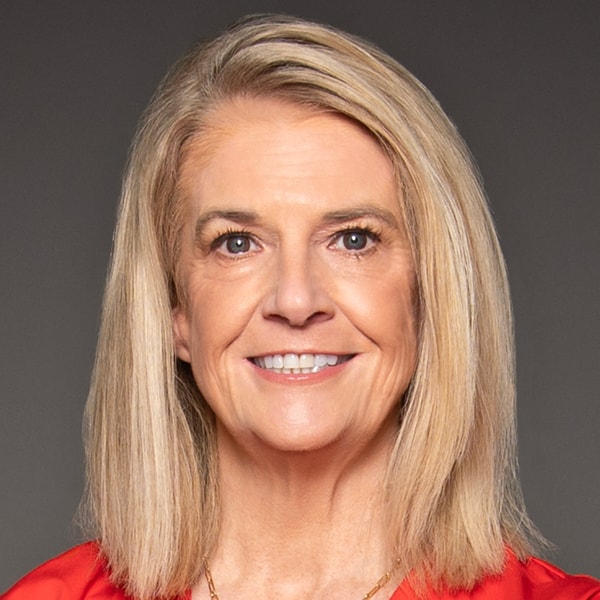
Katherine Nixon
President, Wealth Management, Northeast Region
Looking back, what one decision most strengthened your long term financial position — and what would you tell a woman making that decision today?
Developing and maintaining a discipline around saving has been so important, and something I have tried to pass onto my own children. This allows you to take advantage of the eighth wonder of the world: compound interest! These little decisions early in one's career really compound over time, and allow for much more financial flexibility down the road.
When facing a major life transition — career pivot, caregiving, selling a business, a liquidity event or the loss of a spouse — what is the one piece of advice you’d give to navigate it with financial confidence?
Have a plan that outlines the options/tradeoffs and helps you understand the “why” of the financial decision you ultimately make. Looking at alternatives and assessing and quantifying impacts is absolutely critical not only to arriving at the right decision but also in helping you to stick with that decision when things don't proceed perfectly. Develop the plan and stick with it!
What’s the biggest mistake you’ve seen women make with their wealth — and what should they consider instead?
Being too conservative with investments. This is a common mistake we see with women who think this kind of stance is “playing it safe” when in reality it leaves them exposed to inflation risk and doesn't afford them the growth opportunities associated with risk assets over long time periods.
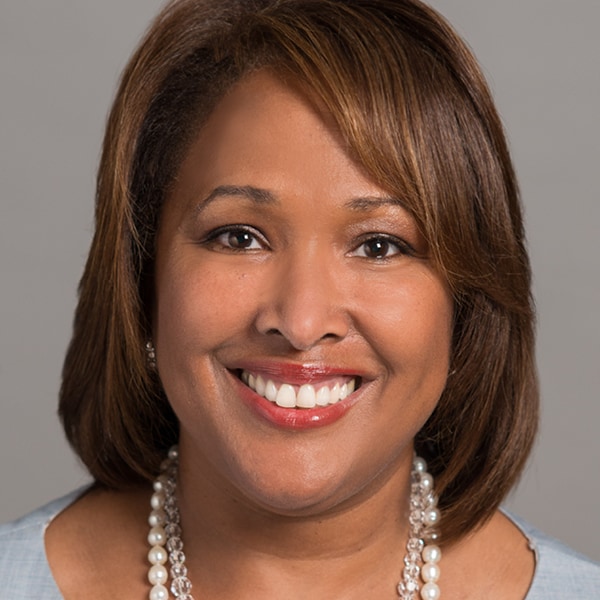
Linda Nolan
Group Managing Director, Chicago
Looking back, what one decision most strengthened your long term financial position — and what would you tell a woman making that decision today?
The single decision that most strengthened my long‑term financial position was prioritizing myself early by fully participating in my employer’s retirement savings plan, especially taking advantage of matching contributions. That commitment, made consistently over time, allowed compound growth to do what it does best. The results weren’t immediate, but they were powerful.
What I would tell a woman making that decision today is to view accumulation not as a sacrifice, but as an investment in her future agency. Start by getting clear on your goals — your dreams, the impact you want to have, and the people you care most about — and then align your financial plan accordingly. Even small, consistent actions taken early can create meaningful freedom and choice later. Your future self will thank you for starting now.
What is the best piece of advice you’ve ever received about money, leadership or life — and when did it prove most valuable?
The best leadership advice I ever received centered on three principles that consistently inspire trust, loyalty and results.
The first is the idea that people don’t care how much you know until they know how much you care. That perspective, often attributed to John Maxwell, has guided me since my earliest days as a leader. I’ve seen time and again that credibility may earn attention, but empathy earns followership, especially during moments of change or uncertainty.
The second principle is authenticity. Early in our careers, we often admire mentors so deeply that we try to emulate them, sometimes at the expense of our own voice. I was reminded that authenticity is not a weakness but a leadership strength. Leveraging your unique experiences, perspective and style is what makes leadership both effective and sustainable. You truly do have to be yourself — everyone else is already taken.
The third and perhaps most situationally powerful piece of advice came from a mentor who told me to “cover all of the ground you stand on.” In other words, fully own your authority. Leadership doesn’t require seeking conflict, but there are moments when challenges come to you, and firmness, clarity and diplomacy are essential. That advice proved most valuable during difficult decisions and high‑stakes conversations, when standing your ground with confidence and composure was critical. A strong defense, when grounded in purpose and integrity, can be the best offense.
What’s the biggest mistake you’ve seen women make with their wealth — and what should they consider instead?
The biggest mistake I see women make with their wealth is ceding control and information access to another person, most often a spouse. While this is usually done with trust and good intentions, it can leave women dangerously exposed. In the event of an unexpected death, illness or divorce, the uninformed partner is often forced to step into a primary decision-making role without even a basic understanding of the household’s financial landscape.
Early warning signs include not knowing where accounts are held, lacking visibility into investment or debt decisions, being excluded from advisor conversations, or feeling uncomfortable asking questions about finances that affect one’s future. I have unfortunately seen situations where women discover hidden liabilities, outdated estate plans or irreversible decisions at precisely the moment when clarity and preparedness matter most.
A smarter alternative is shared, or independent, financial fluency. Every woman should have full transparency into her assets, liabilities and planning decisions, as well as direct relationships with key advisors. Even in strong partnerships, maintaining knowledge, access and agency isn’t a sign of mistrust; it’s a form of self-protection and empowerment. Wealth should support resilience, not create vulnerability.
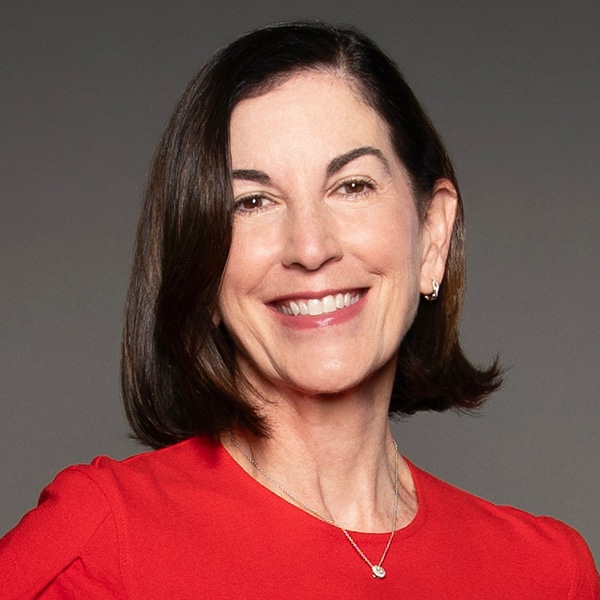
Glenda Pedroso
Head of Banking & Specialized Services
When facing a major life transition — career pivot, caregiving, selling a business, a liquidity event or the loss of a spouse — what is the one piece of advice you’d give to navigate it with financial confidence?
Major life decisions have a way of clouding objectivity. I think the best thing we can do is have a trusted independent financial advisor to help us navigate those events. Whether it is considering a career change, which may come with some short-term financial risk, or the loss of a loved one that forces us to re-evaluate our futures, having someone we can trust with our financial planning and wellbeing is a tremendous source of peace.
If you could host a dinner party with one woman — dead or alive — who would you invite, and why?
Ruth Bader Ginsburg, without a doubt. She was my hero. She never let life's challenges and social norms get in her way and thank goodness she didn't. I would want to ask her 1,000 questions but I would most want to know if, given the chance, she would rewrite any part of her story.
What is the best piece of advice you’ve ever received about money, leadership or life — and when did it prove most valuable?
Most of the best advice I have received came from my dad. He was very progressive and believed I could be and do anything. The one thing he said that had the greatest impact on me was "Your character and your integrity are what define you. No one can destroy them unless you let them. Don't let them."
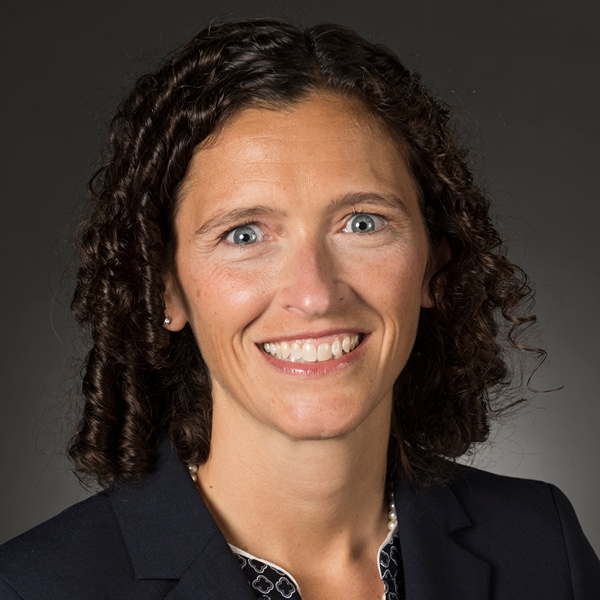
Audrey Skiera
Head of Wealth Advisory, Family Office Solutions, Global Family Office
What is the best piece of advice you’ve ever received about money, leadership or life — and when did it prove most valuable?
“When she realized she was brave enough, everything changed.” — Mel Charbonneau
I first heard this quote 10 years ago at a retreat. What stayed with me was the word "enough." You don’t need to be the bravest person to face adversity. You just need enough courage to move forward.
I’ve carried that idea with me ever since. It guided me when I left a 13-year law practice for a role in wealth management. I was terrified, but brave enough to believe something more fulfilling might be possible. When that firm imploded months later, I stayed the course. More than 10 years later, I’m grateful I did.
“Brave enough” has shown up in other ways too — signing up for my first triathlon years ago, a marathon, and sending my daughter, then my son, off to college.
You don’t need the whole course charted. You just need to be brave enough to take the next step.
If you could host a dinner party with one woman — dead or alive — who would you invite, and why?
If I were hosting a dinner party for one woman, it would be my late grandmother, Hilma. Her glass was always half full, no matter the situation. The daughter of Finnish immigrants, she grew up with eight siblings in a three-room farmhouse in the Northwoods of Wisconsin.
After moving to Chicago in the mid-1930s to find work, she married my grandfather, a cement mason. Over time, they saved enough to buy a two-flat, and later a three-flat, on his single salary. How did they do that? And how did she feel when finances were stretched thin? Because my grandfather’s first language was Swedish, she was often involved in the household finances. They were true partners, but I wonder what that responsibility felt like; especially in a time when a woman couldn’t even take out a loan. She had to be brave, or at least brave enough.
What’s the biggest mistake you’ve seen women make with their wealth — and what should they consider instead?
One of the biggest mistakes I’ve seen women make is not knowing the password. It’s as simple as that. This came up recently at a book club with friends. Two friends were talking about their mothers, both recent widows, yet in very different situations when it came to understanding their finances. One had always paid the bills and knew exactly where the household stood. She was highly engaged. The other couldn’t remember the passwords. She had happily ceded all financial responsibilities to her spouse. Thankfully, she has the support of her children, who will help her get back on track. But the contrast stuck with me.
For any woman who doesn’t want to run the household finances, I’d suggest taking a seat somewhere in the middle. At least once a year, sit down with your partner to take stock of where you are, how things are flowing, and — most importantly — make note of the passwords.
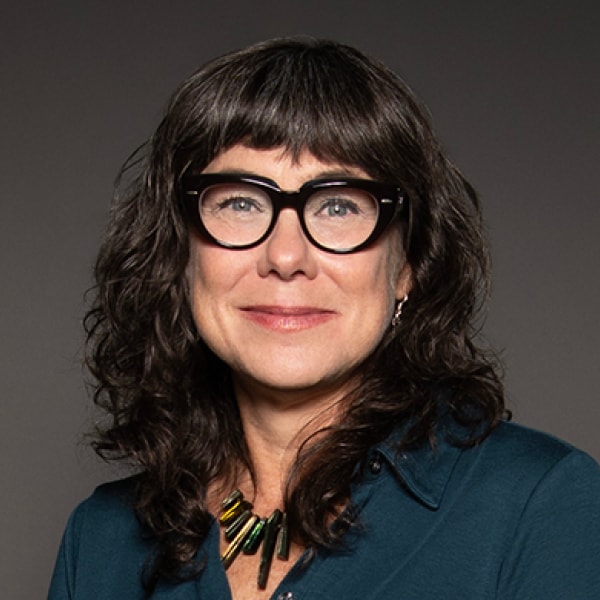
Amy Szostak
Director of Family Education & Governance
What is the best piece of advice you’ve ever received about money, leadership or life — and when did it prove most valuable?
Early in my career, I made a costly mistake — nearly half my modest salary. Expecting the worst, I was called into my manager’s manager’s office. She acknowledged the loss, then said, “You did many things right. One mistake doesn’t define the day. These things happen; it’s the cost of doing business. I’m ready to move on. Are you?” I was deeply relieved. That moment shaped my appreciation for strong leadership and has stayed with me ever since. Over the decades I have done my best to pay this forward when I recognize a colleague who is beating themselves up over a mistake. It is only through helping them let go that we can unlock their true potential.
For those looking to give back — sharing their time, talent or treasure — what actionable steps do you recommend to maximize their impact?
There are many ways to give back, but choosing the right one makes it far more meaningful. I suggest starting by assessing your skills, bandwidth and what is most important for you to get out of it. Early volunteer work in soup kitchens left me unfulfilled; while valuable, it was often overstaffed and I felt that I spent more time making small talk with the other volunteers than contributing to the cause. It dawned on me that it didn’t align with my strengths: communication, execution and organization. And while others seemed to appreciate the sense of community, my limited bandwidth left me feeling that it was not an efficient use of my time. I shifted to serving on well-run boards with clear objectives, where my skills could be used more effectively. The impact, and fulfillment, has been far greater now that I am using my strengths in a time-efficient manner.
What’s the biggest mistake you’ve seen women make with their wealth — and what should they consider instead?
Underestimating themselves. I’ve lost count of how often I’ve heard women say, “My boss is leaving,” followed by anxiety about the disruption and uncertainty about who will succeed them. I always ask the same question: “Would you consider the role?” Nine times out of 10, it hasn’t crossed their mind. Their response is usually a list reasons they’re not ready or not the right fit. I simply encourage them to think about it. That one question has prompted many women to pursue, and secure, roles they might never have considered. In one case, a woman passed on the opportunity, only to watch the firm hire someone less experienced, whom she then had to train. She regretted not raising her hand.