
Weekly Economic Commentary | May 22, 2026
Cuba Libre
Making Havana Great Again
By Carl Tannenbaum
During the American cigar craze of the 1990s, a couple of my neighbors purchased humidors and began collecting. The holy grail for them was Cuban Cohibas, banned from import by longstanding U.S. sanctions.
Cigar afficionados in the United States may soon have direct access to Cuban cigars, as Washington pushes for regime change. But it will take a lot more than Cohibas to resuscitate the Cuban economy.
Prior to the 1959 revolution, Cuba was a prosperous place. Its gross domestic product (GDP) per capita ranked fifth in the Western Hemisphere, and stood 80% above the average for Latin America. Patronage from the Soviet Union sustained the country for three decades, but when it was withdrawn, the Cuban economy contracted significantly.
The country pivoted to tourism, which was crushed by the pandemic and has yet to recover. Sanctions have severely limited capital inflows and stifled outbound trade. Cuba was heavily dependent on Venezuelan oil, which is no longer available. The economy is now in free fall.
The Cuban economy will take a long time to fix.

The Trump White House has focused on influence within the Western Hemisphere. Under the “Donroe Doctrine,” the U.S. has invested in Argentina and installed a friendly regime in Venezuela. Recent legal steps aim to align Mexico with Washington’s agenda as trade negotiations approach. Bringing Cuba into the regional fold would be a natural step.
Cuba has substantial deposits of nickel and cobalt, two elements that are critical to technology. Its agricultural sector was once formidable, and could be again. Its attraction as a tourist destination could be restored. A diaspora of emigrants stands ready to invest in their home country.
But the island’s infrastructure is in shambles. Government accounts for 40% of GDP and two-thirds of employment; the transition to privatization would, at least initially, be painful. Prospective investors would have to deal not just with political uncertainty, but climate risk: Cuba has been hit by a number of significant storms in recent decades.
Bringing down leadership in Havana would be politically symbolic, and cause for some to light a celebratory cigar. But raising its economy thereafter will be a slow burn.
Related Articles
Meet Your Expert
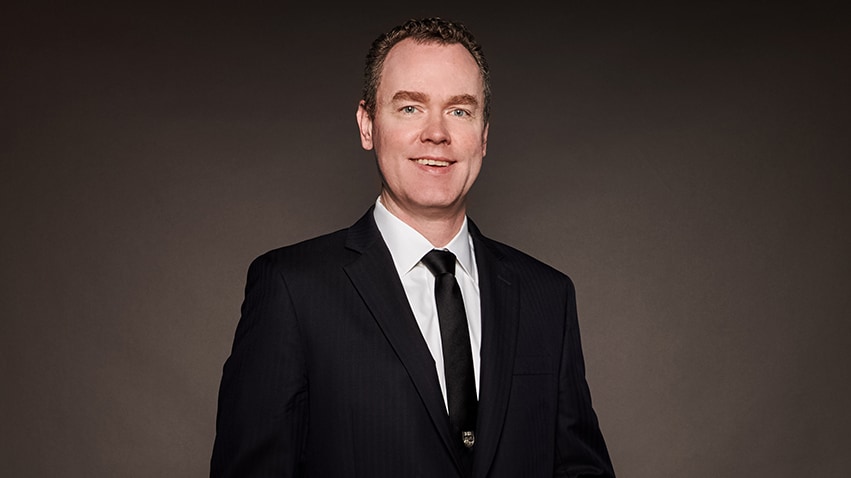
Carl Tannenbaum
Chief Economist
Carl Tannenbaum is the Chief Economist for Northern Trust. In this role, he briefs clients and colleagues on the economy and business conditions, prepares the bank's official economic outlook and participates in forecast surveys. He is a member of Northern Trust's investment policy committee, its capital committee, and its asset/liability management committee.

Meet Our Team


Subscribe to Publications on Economic Trends & Insights
Gain insight into economic developments and our latest forecasts for the United States.
Information is not intended to be and should not be construed as an offer, solicitation or recommendation with respect to any transaction and should not be treated as legal advice, investment advice or tax advice. Under no circumstances should you rely upon this information as a substitute for obtaining specific legal or tax advice from your own professional legal or tax advisors. Information is subject to change based on market or other conditions and is not intended to influence your investment decisions.
© 2026 Northern Trust Corporation. Head Office: 50 South La Salle Street, Chicago, Illinois 60603 U.S.A. Incorporated with limited liability in the U.S. Products and services provided by subsidiaries of Northern Trust Corporation may vary in different markets and are offered in accordance with local regulation. For legal and regulatory information about individual market offices, visit northerntrust.com/terms-and-conditions.